



The cryptocurrency market operates at such a rapid speed that it seems incomprehensible. Market values in cryptocurrency rise to new peaks before collapsing in devastating price drops. Billions of dollars vanish from the crypto market through market plunges, which shock investors while they seek understanding about what happened. But where does all that money go?
Unlike traditional financial systems, where money flows through banks, businesses, and regulated exchanges, the crypto economy operates on different rules. There’s no central authority tracking every dollar, and no physical cash can be burned or destroyed. Instead, the rise and fall of crypto prices reflect a complex dance of supply, demand, digital asset valuation, and human psychology.
When a crypto crash happens, the lost money doesn’t simply disappear into thin air; it shifts hands, moving from one group of investors to another. Some cash out early, locking in profits before the downturn. Others panic-sell at a loss, transferring wealth to those who stay calm. Meanwhile, traders using leverage face brutal liquidations, amplifying the market’s downward spiral.
In this blog, we’ll explore what happens to the lost money during a crypto crash, how crypto market dynamics affect valuations, and whether the funds truly disappear or simply change hands.
The Illusion of Disappearing Wealth
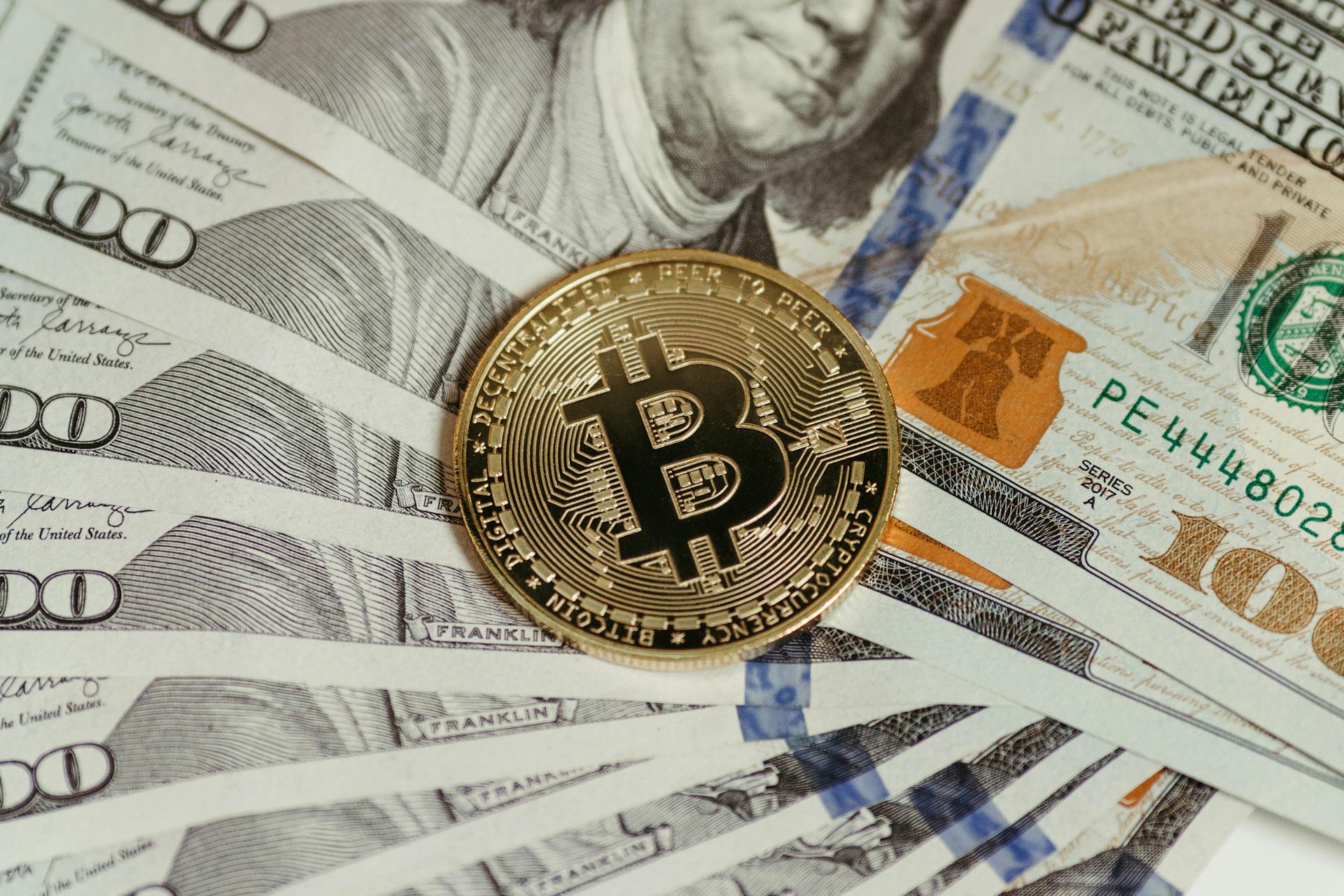
The cryptocurrency market volatility causes headlines to shout about massive billions disappearing from the framework. The market value of Bitcoin settles to a new low over 24 hours while Ethereum suffers a 50% devaluation within seven days, and meme coins complete their entire lifecycle inside one night. But where does this money go?
The truth is more nuanced than most reports suggest. Unlike traditional finance, where money can be physically destroyed (think banknotes burning), cryptocurrency crashes represent a transfer of value rather than its destruction. This deep dive explores the complex mechanics behind Cryptocurrency market crashes, examining:
- The fundamental difference between market capitalization and real money flow
- How value is systematically redistributed during crashes
- The unique economic forces at play in decentralized markets
- Psychological and macroeconomic consequences of major corrections
- Historical case studies revealing where money moved
By understanding these dynamics, investors can make more informed decisions and potentially position themselves to benefit from bull markets rather than fall victim to them.
Why Money Doesn’t Vanish?

When a crypto crash hits, it often feels like vast sums of money simply vanish. In reality, what’s happening is a rapid shift in perceived value, not a magical disappearance.
Market Capitalisation vs. Real Money Invested
Cryptocurrency market capitalization is calculated using a simple formula:
Current Price × Circulating Supply = Market Cap
When Bitcoin’s price drops from $60,000 to $30,000, its market cap effectively halves. However, this does not mean an equivalent amount of real dollars has disappeared from the system. It simply reflects a change in perceived value, a new, lower price at which crypto market participants are willing to trade.
Market capitalization is a theoretical valuation, not a direct measure of actual money invested or lost. The “lost” billions represent a paper loss, a recalibration of what buyers and sellers collectively believe the digital asset is worth at a given moment, not physical cash burned or vanished. It’s important to note that most crypto assets are thinly traded, and only a small fraction of the total supply is actively bought and sold. A significant price change, therefore, can result from relatively small amounts of trading volume, amplifying the illusion of massive monetary loss.
In short, the market cap shows market sentiment and pricing dynamics, not the true cash flow into or out of the ecosystem.
Realized vs. Unrealized Losses

In crypto markets, understanding the difference between paper losses and realized losses is critical:
- Paper (Unrealized) Losses: These occur when the value of a portfolio declines, but the holder does not sell. The loss exists only on paper and could be recovered if the market rebounds.
- Realized Losses: These happen when investors sell their assets at a lower price than they bought, locking in the loss permanently.
During the 2018 crypto crash, when Bitcoin plunged from $20,000 to $3,000:
- Long-term holders faced severe paper losses, seeing their portfolio values shrink dramatically but choosing not to sell.
- Panic sellers, however, realized their losses by exiting the market at heavily discounted prices, transferring value to future buyers who accumulated assets at a fraction of their former cost.
The distinction between realized and unrealized losses shapes the actual flow of capital, deciding who absorbs the financial damage and who may eventually benefit when recovery comes.
The Value Transfer Mechanism – Tracing the Money Flow

In every crash, money doesn’t disappear; it moves. Understanding who gains and who loses is key to tracing the flow of value during turbulent times. Let’s break down how the money shifts within the crypto ecosystem.
The Winners in Every Crash
While crashes are painful for most, some participants consistently come out ahead:
- Early Exits: Investors who sell near market peaks secure significant profits before prices collapse.
Example: Those who sold Bitcoin at $60,000 preserved their gains before the price halved to $30,000.
- Short Sellers: Traders who bet on falling prices profit during downturns. Using tools like perpetual swaps and futures contracts, short sellers transfer billions from overexposed long positions into their own hands during crashes.
- Liquidators: Entities that manage margin calls and forced liquidations benefit immensely. When overleveraged traders can’t meet margin requirements, their assets are forcibly sold, often at discounted prices. Liquidators collect collateral, and forced selling accelerates cascading price drops, creating even more opportunities for them.
In every crash, value doesn’t simply vanish; it is redistributed. Understanding who wins and why can provide valuable insights into market dynamics and crypto-related transactions.
The Losers in Market Downturns

Not everyone survives a market crash unscathed. While some can capitalize on downturns, others suffer significant losses:
- Late Buyers: These are investors who bought crypto assets near market peaks, lured by optimism or fear of missing out. When prices plummet, they’re left holding assets worth far less than they paid.
- Overleveraged Traders: Margin trading offers the potential for higher returns, but it comes with immense risk. When the market falls, margin calls wipe out positions, forcing traders to sell at the worst possible time, locking in substantial losses.
- Weak Hands (Panic Sellers): These are the investors who sell in fear at the market’s lowest points. Driven by panic, they lock in losses at the bottom of the market, only to watch prices rebound later.
In market downturns, the losses aren’t just theoretical; they are real financial hits to those who enter too late, borrow too much, or panic too early.
Crypto-Specific Amplification Factors
Unlike traditional financial instruments, cryptocurrency downturns are intensified by specific mechanisms native to virtual currencies. These structural factors can transform ordinary corrections into full-blown crises:
DeFi Liquidations: The rise of decentralized finance introduced algorithmic liquidations that execute instantly when collateral values drop. Unlike traditional markets, where margin calls might take days, DeFi protocols automatically liquidate positions the moment thresholds are breached. This creates violent cascades, like the $700 million in forced liquidations during Bitcoin’s May 2021 crash, which accelerated the price plunge.
Exchange Hacks: Centralized exchange breaches lead to permanent value destruction, as stolen funds often vanish into opaque laundering networks. The 2014 Mt. Gox hack saw $450 million in Bitcoin disappear overnight, erasing liquidity and shaking market confidence for years. These incidents differ from market crashes because the assets don’t redistribute; they’re simply gone.
Token Inflation: Poorly designed tokenomics can trigger death spirals through supply dilution. Terra’s LUNA collapse demonstrated this when its algorithmic stablecoin UST imploded, minting trillions of new LUNA tokens in a failed bid to maintain its peg. The hyperinflation rendered holdings worthless, unlike typical crashes, where assets retain some residual value.
Each factor uniquely exacerbates downturns: liquidations fuel volatility, hacks destroy capital permanently, and inflation mechanics can turn corrections into catastrophes.
The Psychology of Crypto Crashes

Beyond charts and numbers, crashes trigger powerful emotional reactions. Fear, greed, and panic drive decision-making, often amplifying the severity of market downturns.
Behavioral Economics in Action
The crypto market is particularly vulnerable to psychological biases that distort rational decision-making. Here’s how these mental shortcuts manifest in digital asset markets:
- Herd mentality transforms ordinary pullbacks into panicked sell-offs, as investors reflexively follow the crowd rather than analyze conditions. We saw this in June 2022 when Bitcoin’s break below $20,000 triggered cascading liquidations.
- FOMO (fear of missing out) fuels unsustainable bubbles, like the November 2021 peak when retail investors poured money into altcoins simply because “everyone was getting rich.”
- Recency bias causes market participants to forget painful lessons, explaining why each new cycle repeats similar patterns of irrational exuberance followed by crushing downturns.
The Crypto Wealth Effect
The psychological impact of portfolio fluctuations creates real economic ripples:
- During the 2021 bull market, newly minted crypto millionaires drove demand for luxury goods, with Miami real estate and NFT art markets booming as speculative wealth sought tangible assets.
- Conversely, the 2022 bear market saw contraction across crypto-adjacent businesses, from mining operations shutting down to NFT trading volumes dropping 98%, demonstrating how psychological losses translate into economic reality.
These psychological factors create self-reinforcing cycles where market sentiment becomes disconnected from underlying value, the essence of crypto’s notorious volatility. Understanding these mental traps is crucial for maintaining perspective during manic rallies and fearful sell-offs.
Historical Case Studies

History offers valuable lessons on how crypto markets behave under pressure.
By examining past crashes, we can better understand the patterns, mistakes, and recoveries.
The 2018 Bitcoin Crash (-84%)
- Peak: $20,000 (Dec 2017)
- Through: $3,200 (Dec 2018)
- Value transfer: Early ICO investors cashed out, and retail buyers left holding bags
The LUNA/UST Collapse (May 2022)
- $40B+ erased in days
- Unique mechanism: Algorithmic stablecoin failure
- Permanent loss: Unlike typical crashes, the value was destroyed
FTX Implosion (November 2022)
- $8B customer funds missing
- Not a market crash but fraud
- Key difference: Money didn’t transfer; it was stolen
Protecting Your Portfolio
The survival of a crypto crash depends on more than chance because it needs both strategic planning and risk management services. Crypto market downturns remain an inevitable occurrence, but they should not destroy your portfolio assets. Here’s how to fortify your investments:
Crash-Proof Strategies

You must make proactive preparations to reduce the effects after inevitable crashes occur.
You need strategic plans that safeguard your assets while positioning you to benefit from market stability shortly.
Dollar-Cost Averaging (DCA): Using DCA allows investors to distribute their investments over consistent timeframes instead of trying to time the highly difficult market. This approach levels the market’s volatility. Regular fixed purchases (weekly or monthly) eliminate mistakes from emotional trading behavior and minimize the danger of purchasing at elevated prices.
Hedging: Sophisticated investors use derivatives like options and futures to offset potential losses. For example, buying put options on Bitcoin can act as insurance against a price drop. Another approach is holding stablecoins during uncertain periods, allowing quick re-entry when markets stabilize.
Cold Storage (Self-Custody): Exchanges can fail, get hacked, or freeze withdrawals during extreme volatility. Storing crypto in a hardware wallet (like Ledger or Trezor) eliminates counterparty risk; you own your keys, so your assets remain secure regardless of market conditions.
Identifying Warning Signs
The best way to navigate a potential crash is by spotting the signs early.
Recognizing these warning signals can help you take action before the market turns sour.
Exchange Insolvency Risks: Before trusting an exchange, check if they provide proof of reserves (audits showing they hold sufficient customer funds). The collapse of FTX proved that even major platforms can be dangerously overleveraged.
DeFi Protocol Vulnerabilities: Not all smart contracts are created equal. Always review audit reports (from firms like CertiK or OpenZeppelin) before depositing funds into DeFi platforms. Exploits in unaudited protocols have led to billions in losses.
Macroeconomic Triggers: Crypto doesn’t exist in a vacuum. Federal Reserve policies, inflation data, and global liquidity shifts often dictate market sentiment. For example, rising interest rates historically pressure risk assets like Bitcoin, and anticipating these trends can help you adjust positions early.
Conclusion: The Inevitable Rhythm of Crypto Markets

Cryptocurrency market cycles operate under timeless principles. These fluctuations don’t erase value, they redistribute it.
In the grand redistribution of crypto wealth, the critical question isn’t whether value will move, but rather whose pockets will ultimately contain it when the music stops. Stay informed through platforms like Bloomberg News, BBC News, Financial Times, and Numismatic News for real-time event updates and crypto activity coverage. From South Korea to Hong Kong and even the White House, digital currency is transforming financial landscapes at a moment in time unlike any other.
Whether through legal tender experiments by central banks or discussions by the Bank for International Settlements, the role of crypto as a medium of exchange and financial asset continues to evolve. And yes, sometimes even Elon Musk’s tweets can spark billions of dollars in market movement daily. Welcome to the world of popular cryptocurrencies and distributed ledger technology.
This article was written by Blockchain Writer & Web3 Expert Fatima Ahmed and was first seen on quecko.com
For more on the latest in business and finance reads, click here.
