


Entry-Level Luxury
The clearest recession indicator of 2026 is not economic contraction, but the rise of “accessible premium”. Across luxury fashion and premium technology, brands are increasingly recalibrating for a consumer base that still desires luxury but is far more price-sensitive. From Apple’s expanding entry-level ecosystem to fashion’s reliance on overextended marketing strategies and diffusion lines, growth is now being driven by entry-level access points rather than pure exclusivity. This shift is increasingly visible in the widening gap between cultural attention metrics — including IMV (Impact Media Value), search demand and social engagement — and actual retail performance across key luxury groups.
According to the Lyst Index Q1 2026 update, brands such as Chanel, Saint Laurent and Dior continue to dominate “desire” metrics, even as revenue growth across the sector slows, highlighting how digital visibility is no longer a reliable proxy for commercial conversion.
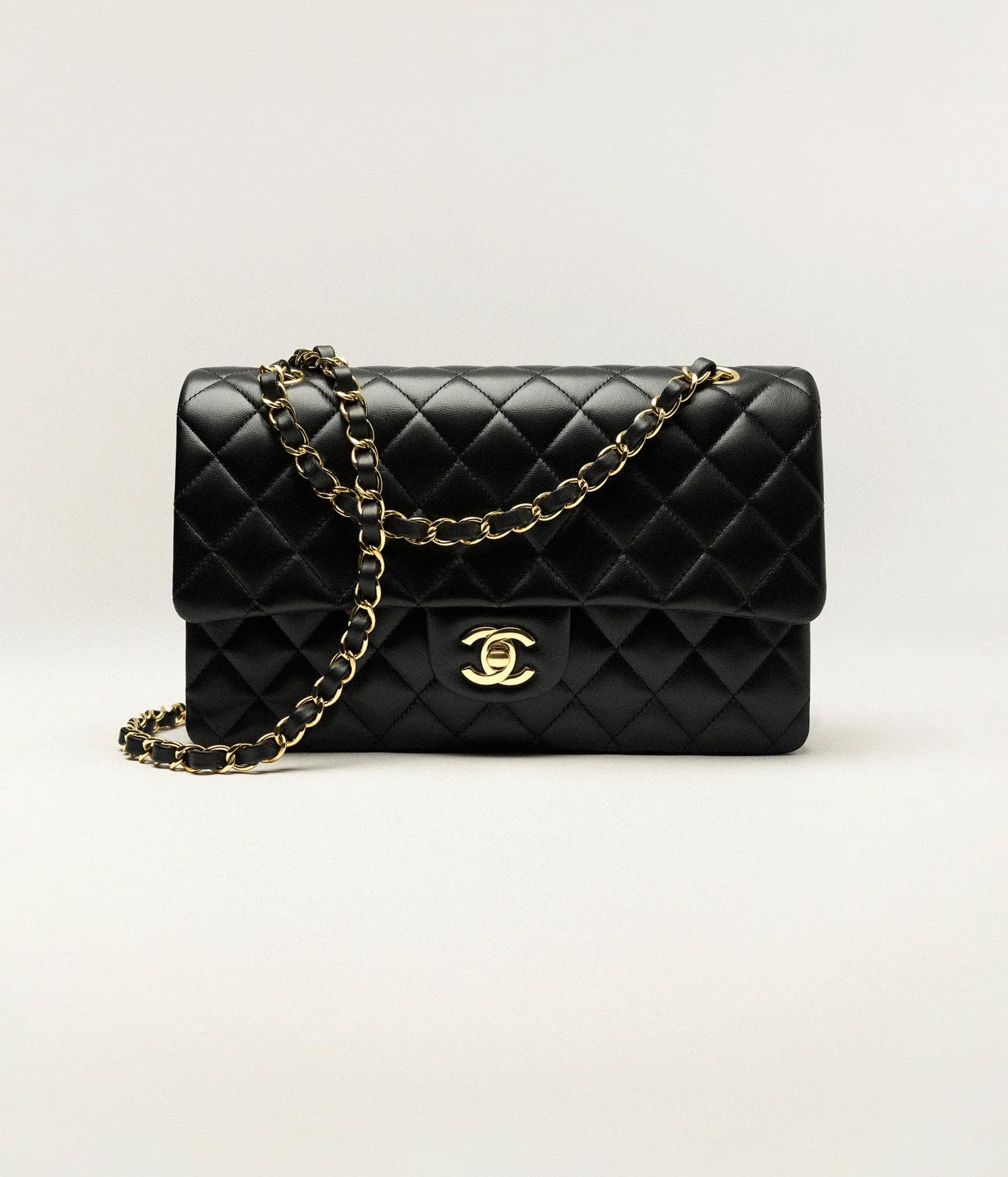
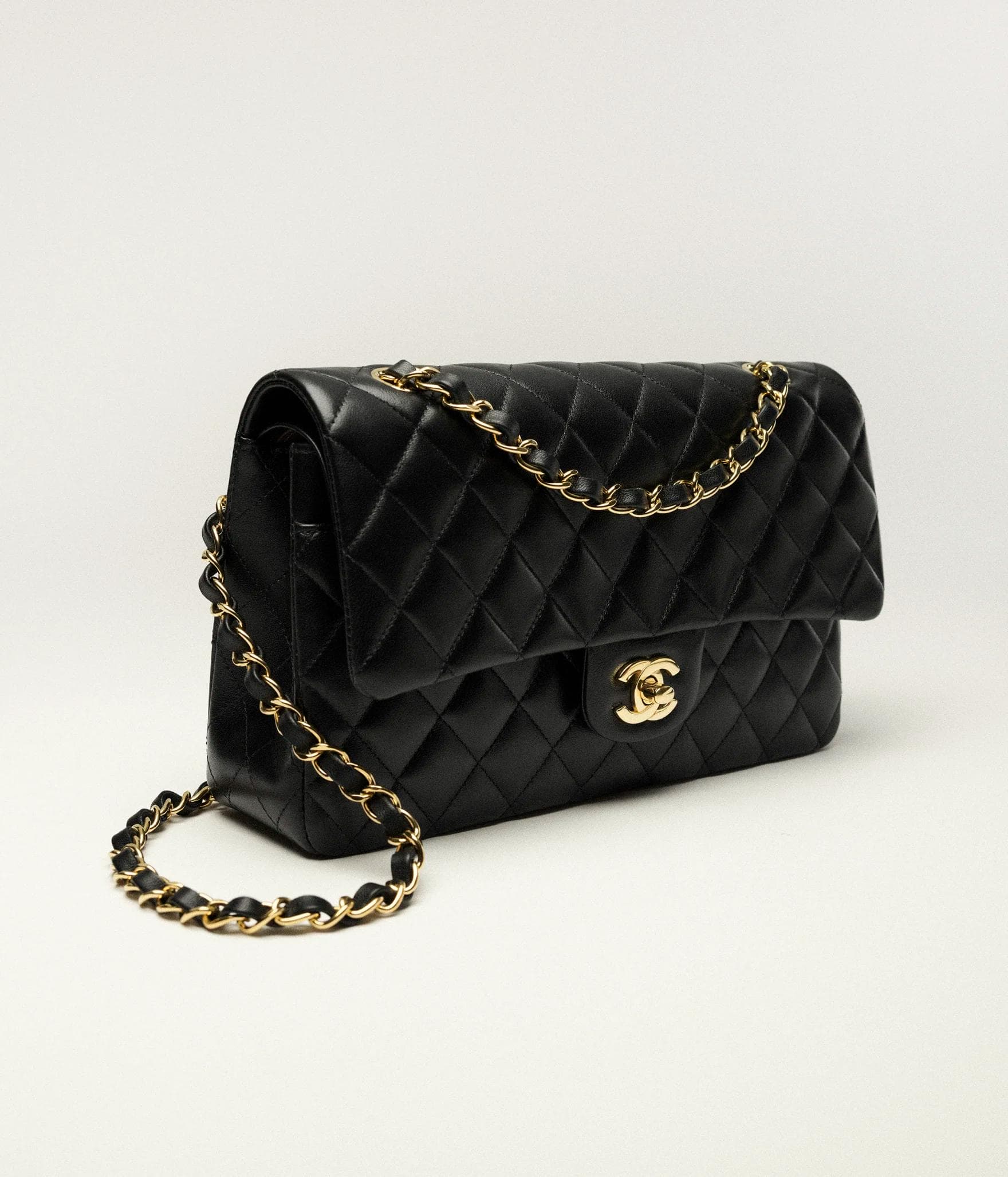
The Chanel Classic 11.12 Handbag
This shift follows a period of what can be described as “luxury exhaustion.” In the post-pandemic years, luxury brands implemented repeated global price increases, driven by inflation, supply chain pressures and strategic positioning. Chanel’s Classic Flap bag, for instance, rose by more than 60 percent within a few years, while Louis Vuitton, Dior and Hermès followed similar trajectories. However, consumers are increasingly questioning whether these price escalations remain justified, particularly as entry-level products begin to overlap with significantly more accessible alternatives.
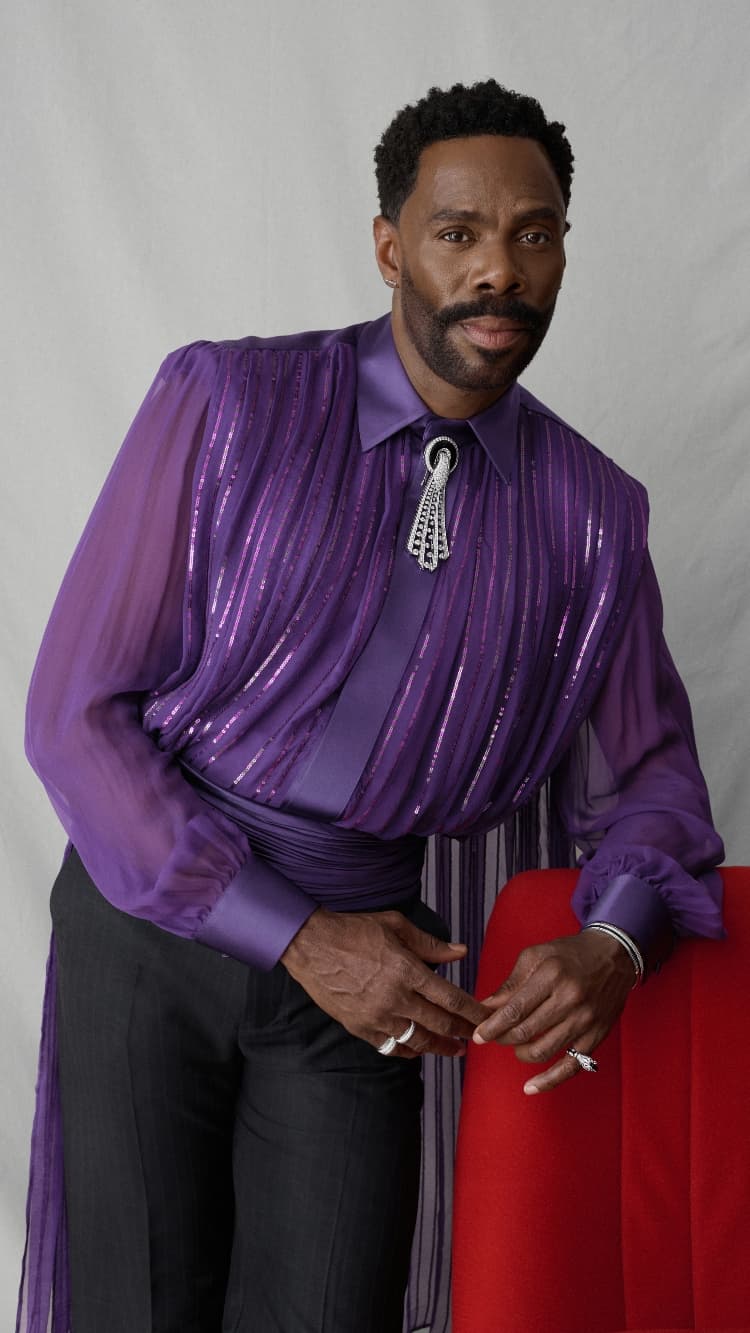
A key response from the industry has been to expand visibility while preserving prestige. Luxury is no longer operating solely on scarcity; it is operating on cultural omnipresence. High-profile events such as the Cannes Film Festival and the Met Gala — combined with TikTok commentary, influencer ecosystems and luxury meme culture — have transformed fashion into a form of mass entertainment. The audience watching luxury has grown significantly larger than the audience purchasing it, creating a paradox where cultural relevance not necessarily translating into economic conversion.
From Scarcity to Visibility
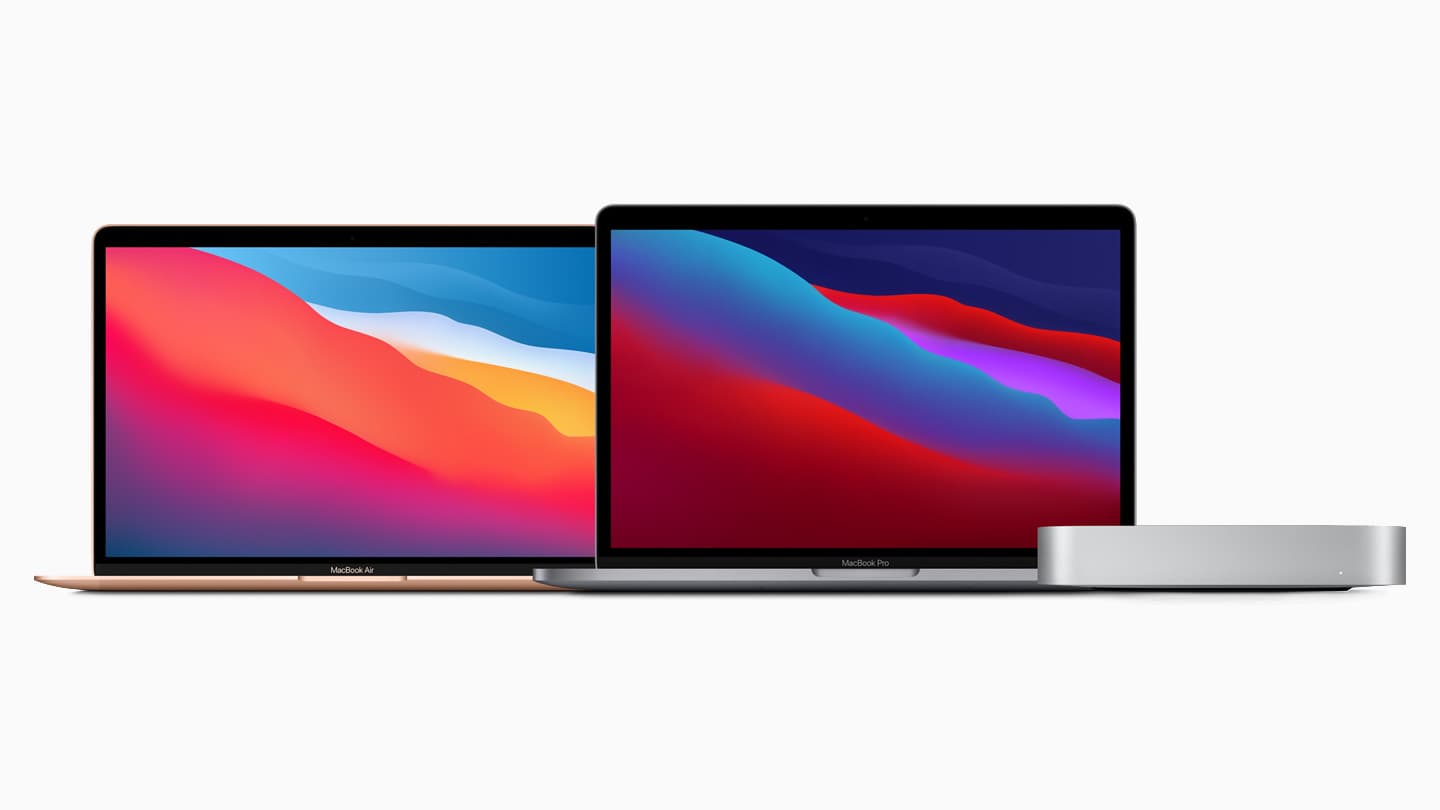
In parallel, a new growth model has emerged: entry luxury. This is most visible in technology, where premium ecosystems are being extended downward through more accessible price points. Apple’s MacBook Air and Mac mini positioning reflects a broader strategy of maintaining ecosystem loyalty while lowering entry barriers. Samsung’s “Fan Edition” range similarly re-engineers flagship features into more affordable devices, while financing schemes, trade-ins and subscription-based purchasing models further normalise premium consumption. The result is a diffusion of luxury logic into mass-market pricing structures, where accessibility becomes a driver of scale rather than dilution. This “tiered premiumisation” strategy is increasingly mirrored in fashion and beauty, where brands are expanding category adjacencies rather than maintaining or lowering core price points.
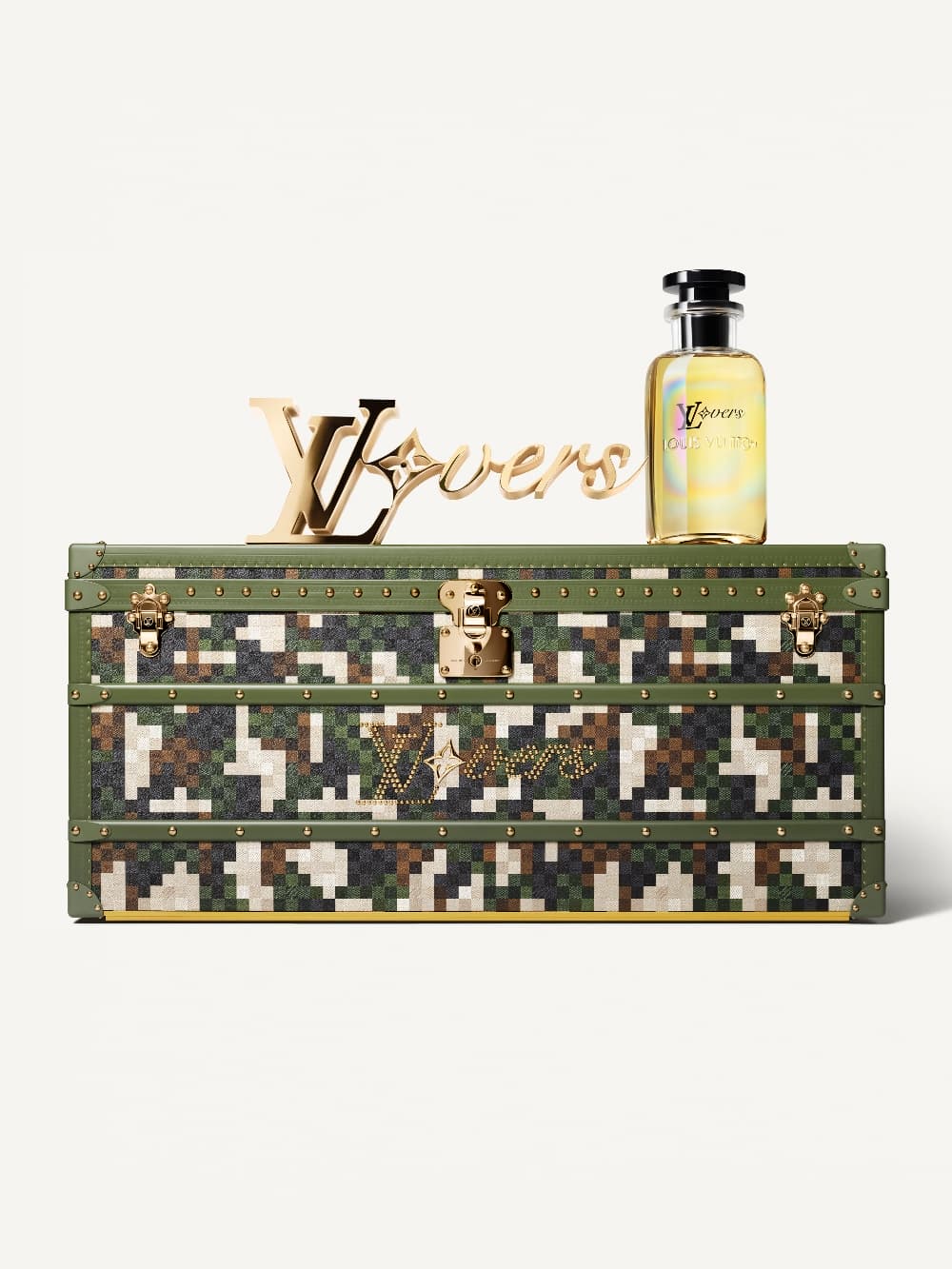
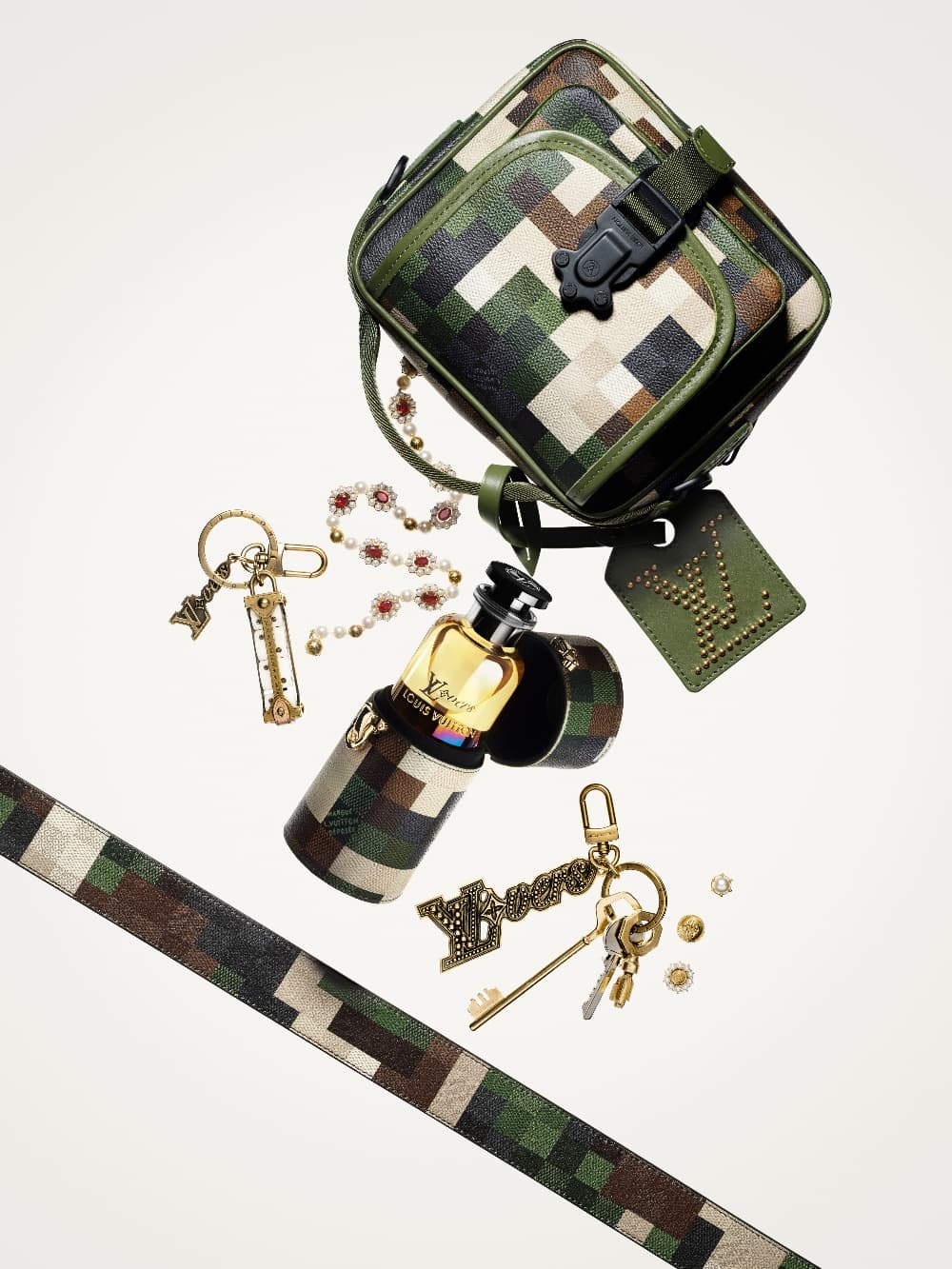
Louis Vuitton’s LVERS fragrance in collaboration with Pharrell Williams
Beauty, Fashion and the Expansion of Access Points
This strategy is not limited to technology. In fashion and beauty, entry luxury is being formalised through product diversification. Louis Vuitton’s launch of LV Beauty and Hermès’ expansion into beauty reflect a broader attempt to create accessible touchpoints within otherwise highly exclusive brand universes. At the same time, mass-market labels are increasingly occupying the visual language of luxury through aggressive marketing spend and high-profile ambassadors. The presence of figures such as Hailey Bieber for Mango — alongside collaborations between celebrities and brands such as Jisoo with Tommy Hilfiger and Dior — reflects a convergence between aspirational mass fashion and traditional luxury signalling. However, this expansion is occurring alongside slowing underlying demand, with LVMH reporting a six percent year-on-year revenue decline in Q1 2026 and a two percent organic contraction in its “Fashion and Leather Goods” division, despite continued high visibility for key maisons such as Dior.
However, this expansion introduces a saturation problem. As brands proliferate product tiers, variants and diffusion lines, category overlap becomes more pronounced. Consumers are increasingly confronted with interchangeable offerings across devices, fashion and lifestyle products, raising questions about differentiation and necessity. The dynamic mirrors earlier cycles in fashion, where brands such as Coach experienced overexposure through outlet dependence and excessive distribution before later recalibrating positioning and recovering market strength. The risk now is not just dilution of exclusivity, but structural confusion within brand ecosystems.
Luxury’s Pricing Ceiling and Sector Divergence
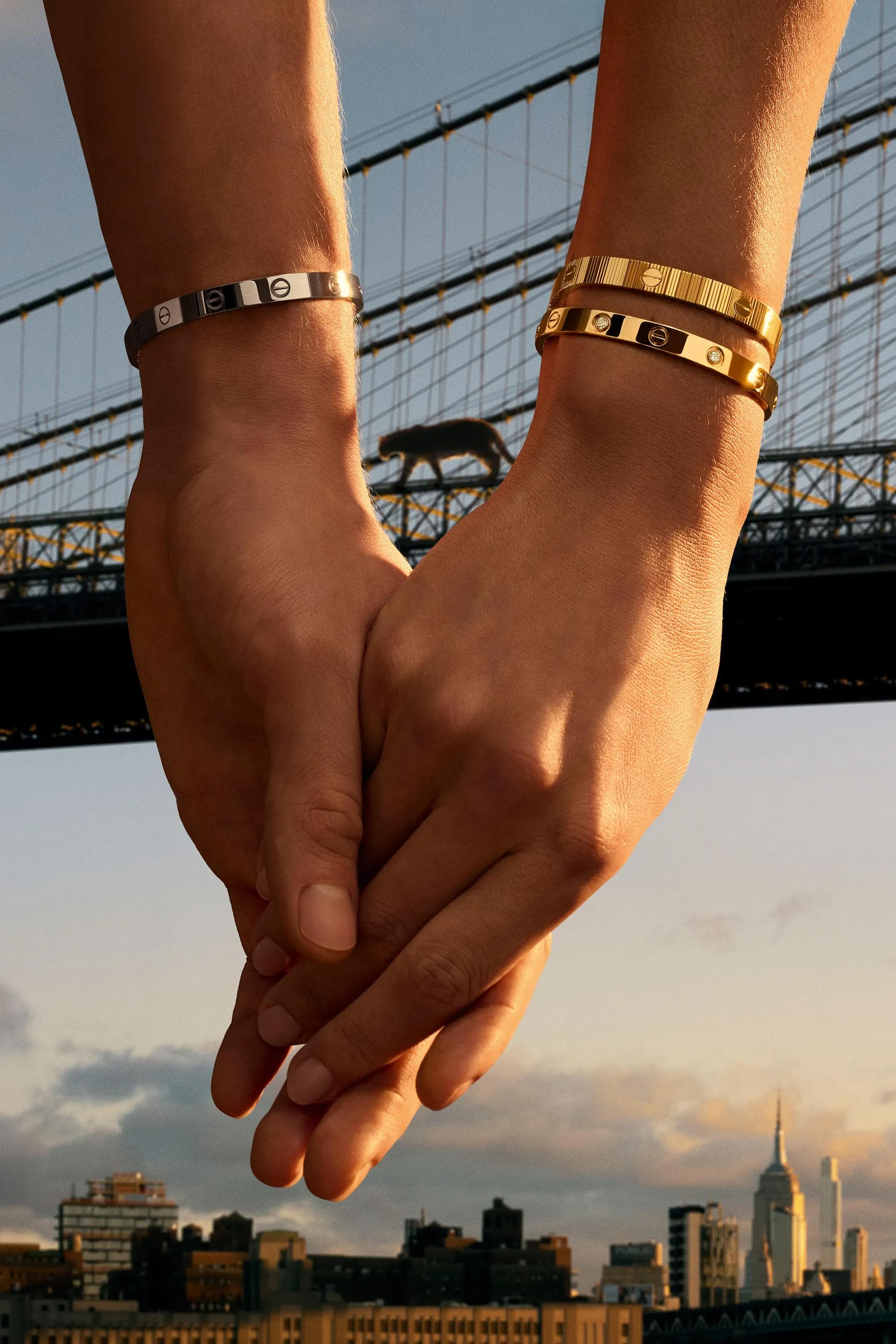
At the same time, pricing elasticity appears to be reaching its limit. While fashion and beauty continue to increase prices across multiple categories, watches and jewellery demonstrate a different trajectory. Despite rising input costs such as gold — up significantly in recent years — core products such as Cartier’s Love Bracelet have maintained relatively stable pricing structures. This divergence highlights a broader slowdown in discretionary luxury consumption, particularly among aspirational and middle-income buyers, even as ultra-high-net-worth demand remains resilient.
Evidence of this slowdown is increasingly visible at the corporate level. LVMH’s divestment of Marc Jacobs to WHP Global, alongside softness in China and weaker performance from Gucci under Kering, signals a more fragmented demand environment. Recent Reuters reporting has also highlighted sharp regional volatility, including estimated 30 to 50 percent sales declines in parts of the Middle East during periods of geopolitical instability, underscoring how external shocks are now materially impacting luxury retail performance. While top-tier luxury retains pricing power at the very highest end, the mid-market aspirational layer is showing clear signs of fatigue.
A Reconfigured Luxury Landscape with “Affordable Premium”
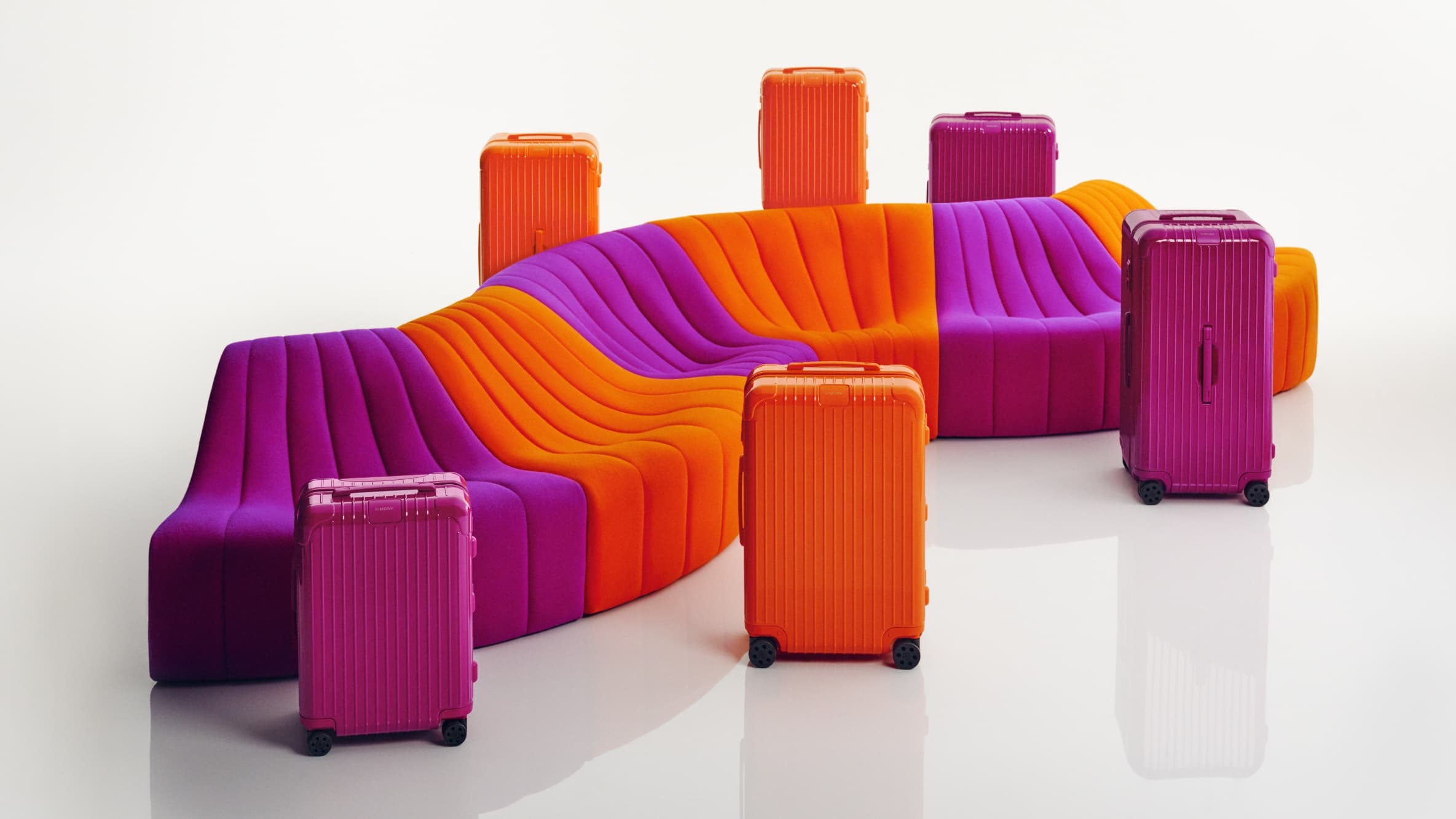
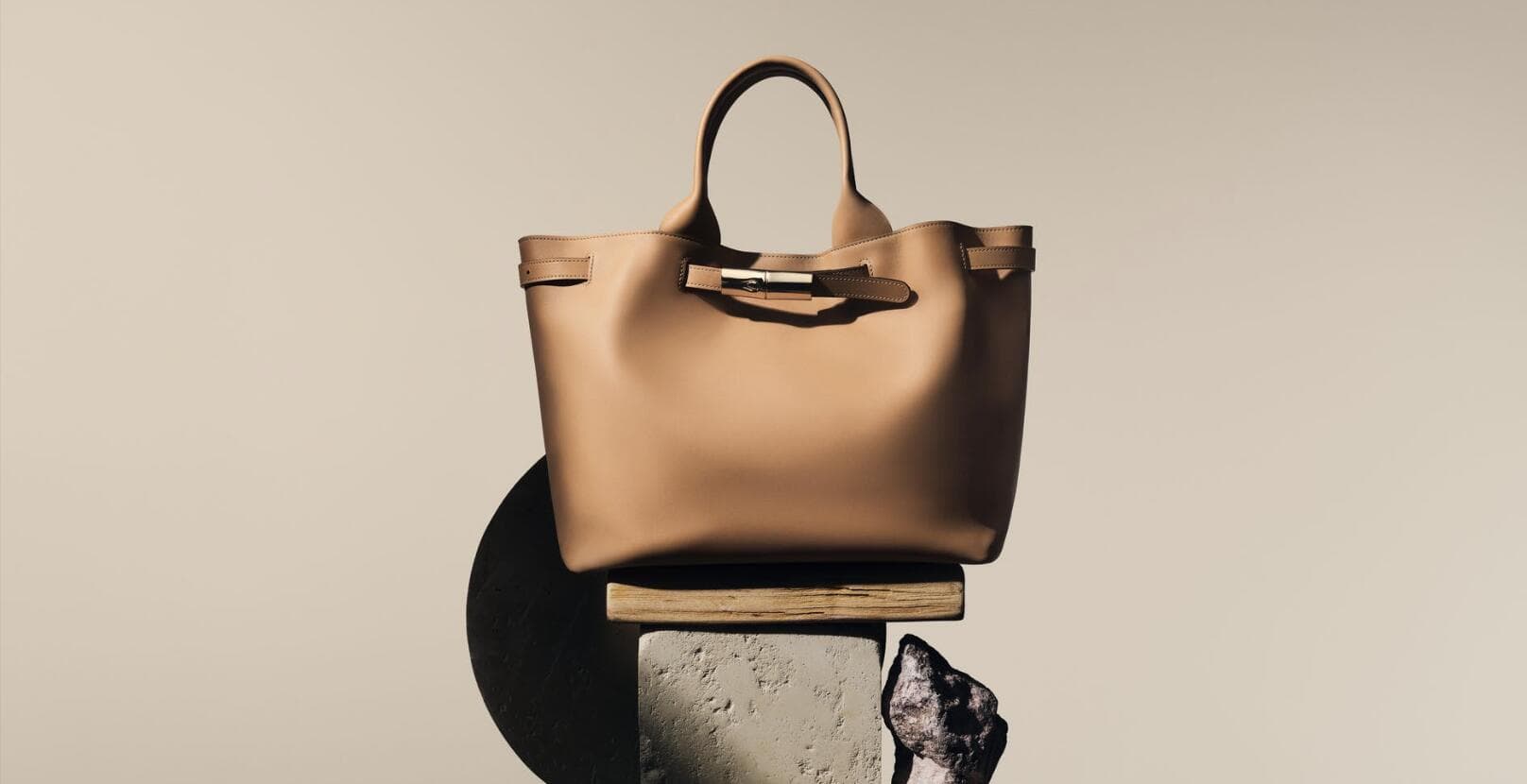
In response, “affordable premium” is emerging as the dominant growth category. Brands such as COS, Rimowa’s entry-level offerings and premium lifestyle accessories occupy the space between mass market and luxury, offering design credibility without prohibitive pricing. This is reinforced by overproduction cycles, the rise of outlet ecosystems and increasingly aggressive discounting strategies from mid-tier luxury players such as Michael Kors, Longchamp and Coach. Department stores, too, have become reliant on markdown-driven sales cycles, signalling structural pressure on full-price demand.
Taken together, these shifts suggest that luxury is no longer defined purely by exclusivity or price elevation, but by its ability to construct layered entry points. The industry is expanding downward to maintain scale, while simultaneously relying on cultural visibility to sustain desirability. The result is a recalibrated luxury landscape where access — rather than rarity alone — is becoming the primary engine of economic growth.
For more on the latest in business reads, click here.
