


Tokyo is full of obscure, strange, and quirky niche experiences. And if you are one of those crazy cat ladies…like me…you might be wondering, where you can get your freak on in Tokyo? After years of searching out some of the best cat destinations in Tokyo, I can confidently tell you that your first stop should be at Gotokuji Temple, where you will find thousands…yes THOUSANDS… of cats.
Gotokuji Temple in Tokyo offers an unforgettable experience with its legendary lucky cat figurines and serene ambiance. Whether you’re drawn by the legend of the cat that saved a samurai or curious about traditional Japanese culture, I will walk you through everything you need to know for a visit to Gotokuji Temple in Tokyo by yourself, or on an organized cat tour!
The Fascinating Legend of Gotokuji Temple in Tokyo
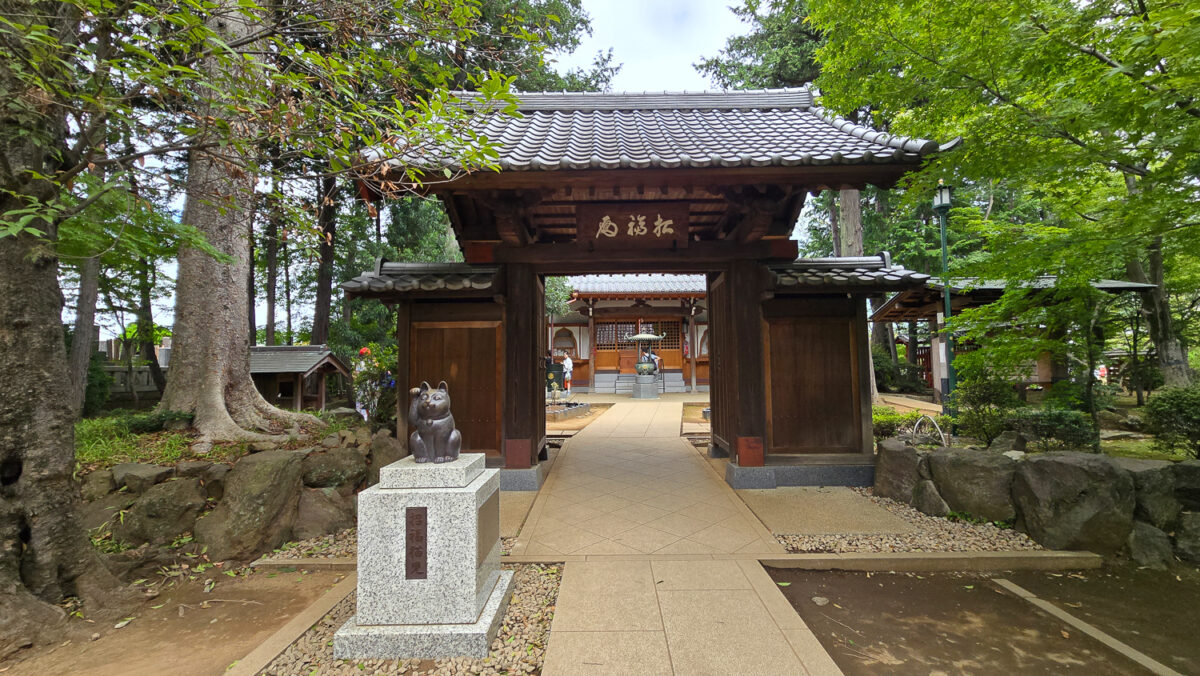
The story of Gotokuji Temple begins with a humble cat and a fateful storm. Legend has it that during a fierce thunderstorm, Lord Ii Naotaka, a samurai lord, took shelter under a tree near the temple. A cat, sitting at the entrance, beckoned him inside with a raised paw. Moments after he moved, a lightning bolt struck the tree, narrowly missing him. Grateful for the cat’s invitation, Lord Ii Naotaka decided to dedicate the temple to the Ii clan in honor of this miraculous event.
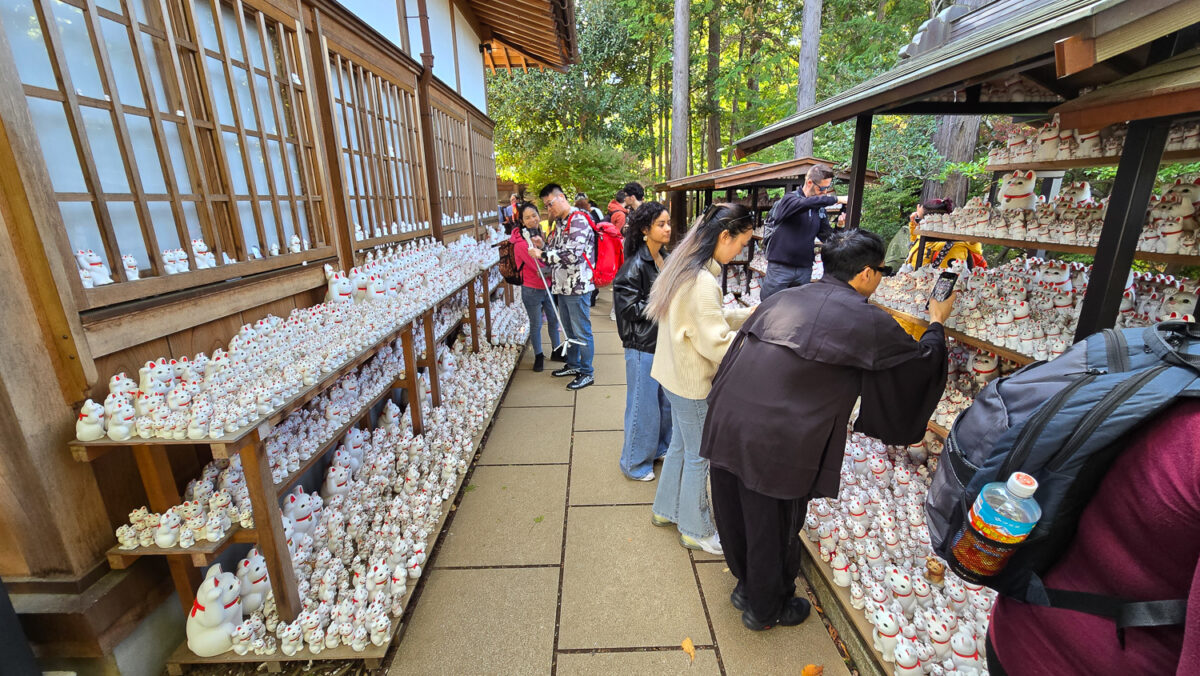
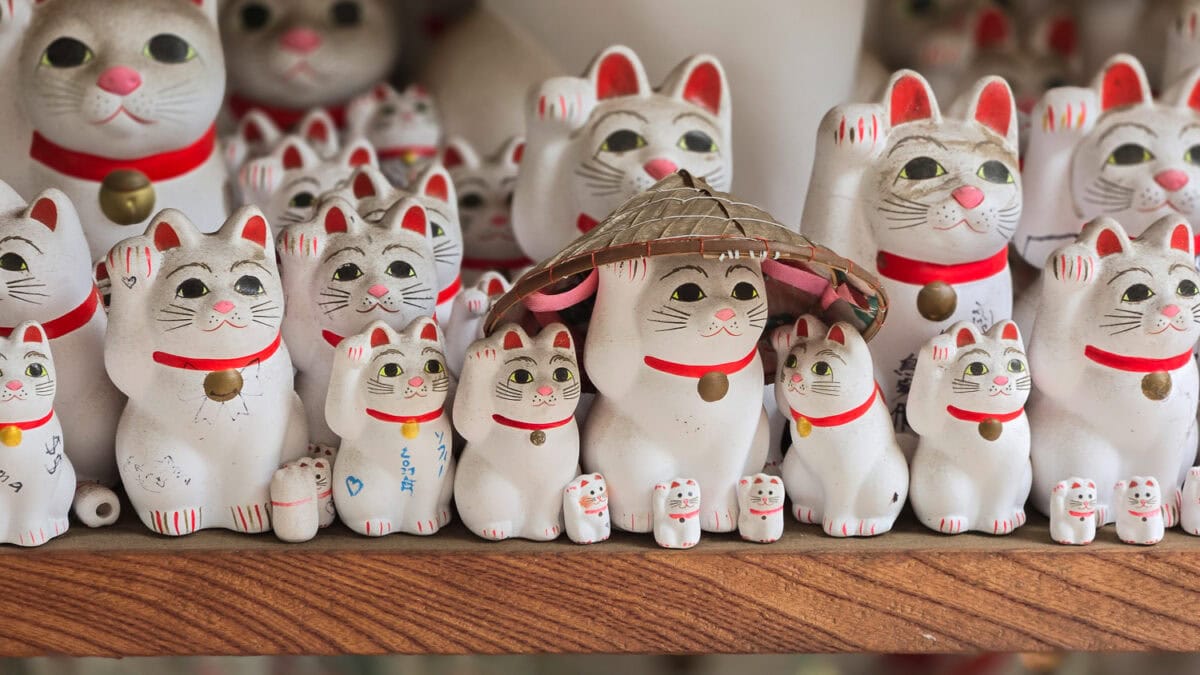
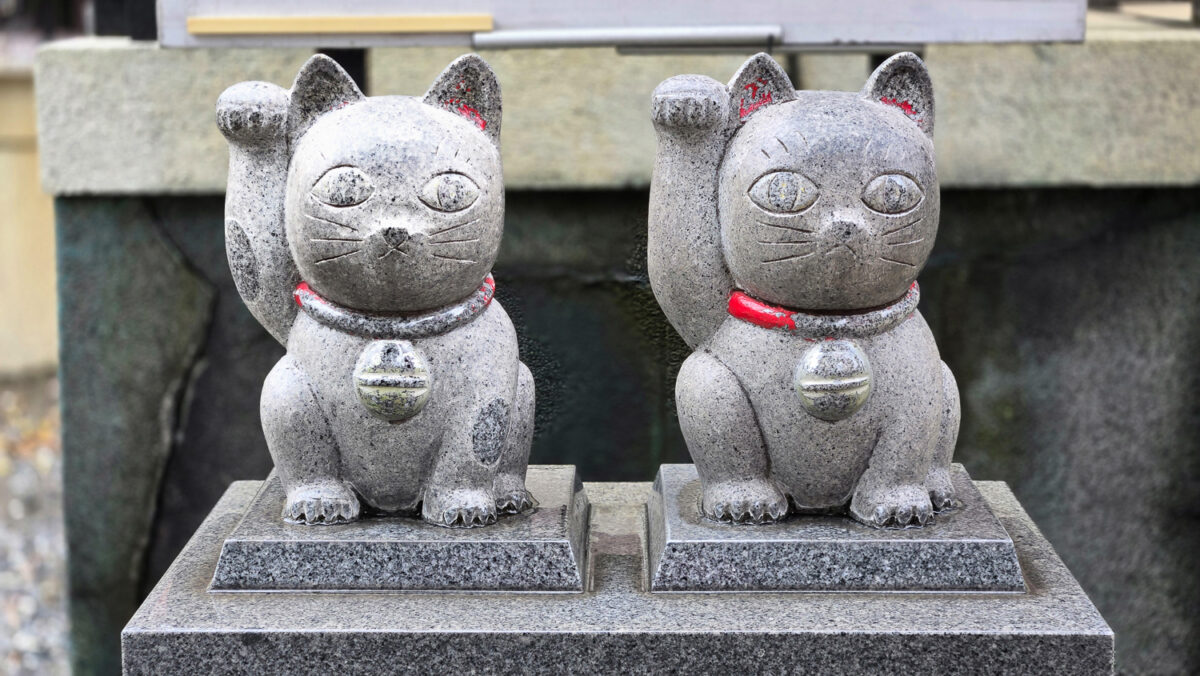
Today, Gotokuji Temple is renowned for its collection of maneki neko, or lucky cat figurines, each symbolizing good fortune. Unlike other versions of the maneki neko, Gotokuji specializes in the right-paw variant, considered more auspicious. These figurines have become a symbol of gratitude and hope, attracting cat-crazed visitors from all over Japan and beyond.
The temple’s name, Gotokuji, was derived from the posthumous Buddhist name of Lord Ii Naotaka. This connection not only honors his legacy but also adds a layer of historical and spiritual significance to the site.
Even if you aren’t a cat person, the temple is beautiful to visit. First – it’s located outside of bustling Toklyo in a calmer neighborhood. The temple grounds are serene and rich in history. In addition, there is a cemetery next to the temple that is worth wandering through to learn more about Japanese spirituality. ,
How to Reach Gotokuji Temple
Getting to Gotokuji Temple is a breeze, thanks to Tokyo’s awesome public transport system. The most straightforward route is to take the Odakyu Line from Shinjuku to Gotokuji Station. From there, it’s a pleasant 12-minute walk to the temple. As you exit Gotokuji Station, you’ll be greeted by your first of many charming Maneki Neko statues, a sure-fire way to know you are in the right place!
Another more scenic option to Gotokuji is to:
- Take the Den-en-toshi Line to Sangenjaya Station.
- Exit towards the West Gate at Sangenjaya Station to find the tram station.
- Transfer to the Tokyu-Setagaya tram. BONUS cat opportunity…see below
- Disembark at Miyanosaka Station.
- Walk for about 5 minutes from Miyanosaka to Gotokuji Temple.
BONUS: The Den-e-toshi line has a cat-themed train that runs daily called the Kofuku-no-manekineko Densha (Beckoning Cat of Good Fortune Train). The times always change – but you may get lucky and catch the cat line and enjoy all of the kitty touches! You can also try to check the weekly schedule/timetable – but it’s not the easiest to figure out!
Exploring Gotokuji Temple Grounds
Stepping onto the temple grounds feels like entering a different world. The first thing you’ll notice is the myriad of maneki neko figurines, each one a testament to the temple’s unique charm. These beckoning cats come in various sizes, creating a whimsical and enchanting atmosphere that is hard to resist.
The Difference Between a Temple and a Shrine in Japan
Gotokuji may be famous as Tokyo’s “cat temple,” but at its core it’s a Buddhist temple—a place rooted in reflection, ritual, and remembrance. In Japan, temples are tied to Buddhism and are often associated with ancestors, memorials, and the bigger questions of life. When you wander the quiet grounds of Gotokuji Temple, you’ll notice that sense of calm woven into everything—from the incense to the stillness tucked between buildings. The sea of maneki-neko isn’t just a quirky photo opportunity; it’s actually an extension of that spirituality, representing wishes, gratitude, and moments of belief left behind by visitors.
It’s also helpful to understand what Gotokuji is not. It’s not a Shinto shrine. Shrines are where people go to pray for good luck, success, and everyday blessings, often marked by bright torii gates and quick, simple rituals. that involve clapping and bowing. Temples, on the other hand, invite a slower, more introspective experience. And that’s what makes Gotokuji so interesting—it blends that deeper Buddhist foundation with the playful symbolism of the beckoning cat. So yes, go for the cats…but stay long enough to feel the quiet meaning behind them.
The temple is a showcase of traditional Japanese architecture, with well-maintained gardens that enhance its serene environment. Each season brings a different kind of beauty to Gotokuji Temple. In spring, cherry blossoms add a touch of pink to the landscape, while in autumn, the temple grounds transform with vibrant fall foliage.
One of the more somber yet significant aspects of Gotokuji Temple is its small cemetery. Accessible to visitors, it offers a glimpse into the history and stories of those who have been laid to rest here. Exploring the temple grounds is not just about admiring its beauty, but also about connecting with the rich tapestry of Japanese culture and history that it represents.
The Temple Buildings
The main hall is the spiritual heart of Gotokuji Temple—and ironically, the place most people breeze right past on their way to the cats. This is where the temple’s primary Buddha statue is enshrined and where traditional Buddhist rituals happen.
Tucked quietly behind the temple is the graveyard of the Ii clan, a powerful feudal family from the Edo period. This includes Ii Naotaka, the lord tied to the origin story of the beckoning cat.

This area connects Gotokuji back to real history—not just folklore. It’s also a good example of how Buddhist temples in Japan are closely tied to death, remembrance, and ancestry.
The bell tower holds a large Buddhist bell that’s traditionally rung to mark time or significant moments—especially during New Year celebrations, when bells are rung 108 times to cleanse human desires.
The three-story pagoda is a beautiful and calming piece of architecture. Pagodas in Japan aren’t just decorative—they’re religious structures that traditionally house sacred relics (often associated with the Buddha). At Gotokuji, the pagoda adds another layer to the experience. It’s not flashy or overrun with crowds, which means you can actually stand there for a moment and take it in—something that’s increasingly rare in Tokyo.
Making Wishes with Maneki Neko Figurines
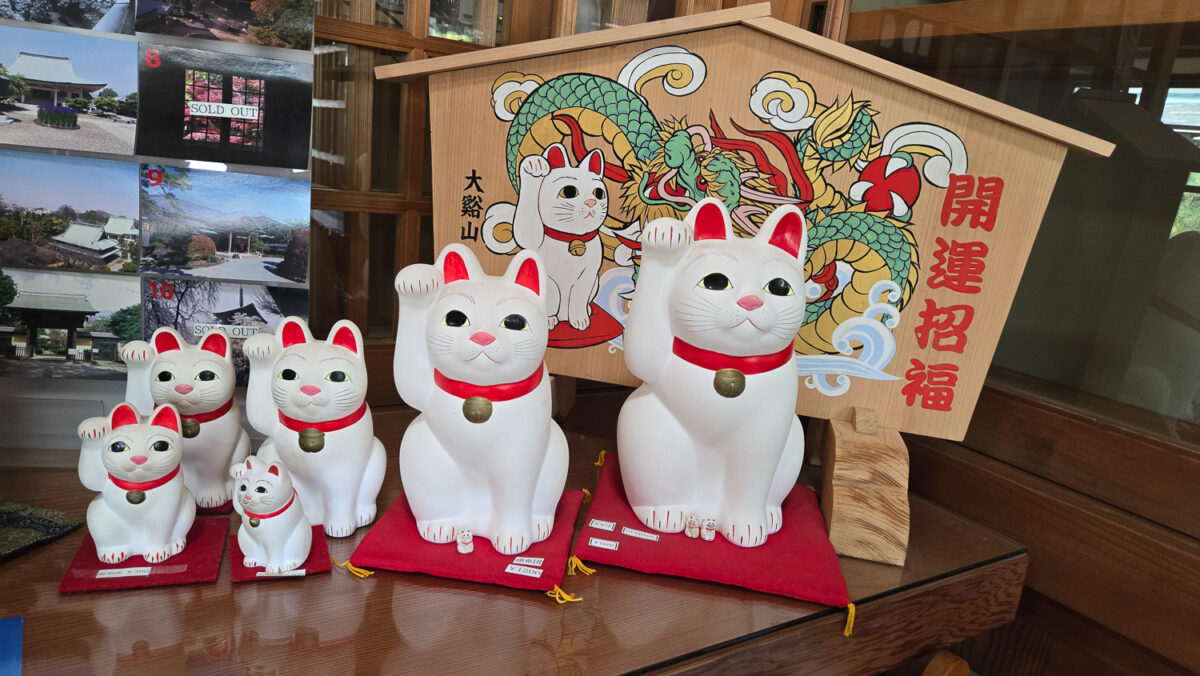
At Gotokuji Temple, the maneki neko figurines are more than just decorations—they are vessels of hope and wishes. Visitors can purchase these charming cat figurines at the temple office, write their wishes on them, and place them in meaningful spots around the temple. This act of making a wish with a maneki neko is a beautiful tradition that connects the past with the present, allowing visitors to participate in a practice that has been carried on for generations.
Once your wish has been fulfilled, you can return the figurine to the temple as a gesture of gratitude. This continuous cycle of making wishes and giving thanks creates a dynamic and ever-evolving display of maneki neko, each one representing a unique story of hope and fortune.
Cat Dining and Shopping Experiences Near Gotokuji
The area around Gotokuji Temple offers a variety of unique dining experiences that celebrate the maneki-neko theme. From delightful pastries shaped like lucky cats to charming cafes, these culinary treats are a perfect way to round off your temple visit. I mean – you came for the cat culture – so you might as well commit!
What I love about this area is that it doesn’t hit you over the head with “cat tourism.” It’s subtle. You start at Gotokuji with this explosion of maneki-neko…and then as you walk back toward the station, you realize the whole neighborhood has quietly adopted the theme. Exploring this neighborhood offers a unique cultural experience, often considered one of Tokyo’s hidden gems.
Shofuku-yaki Maneki Neko at Rarasand Setagaya
Rarasand, located just a short walk from Gotokuji Station, is a must-visit for any cat lover. This delightful pastry shop specializes in Shofuku-yaki, maneki neko-shaped pastries that are as delicious and adorable. The pastries are filled with sweet fillings like red bean or custard. It’s playful, a little quirky, and perfectly on-theme after Gotokuji.
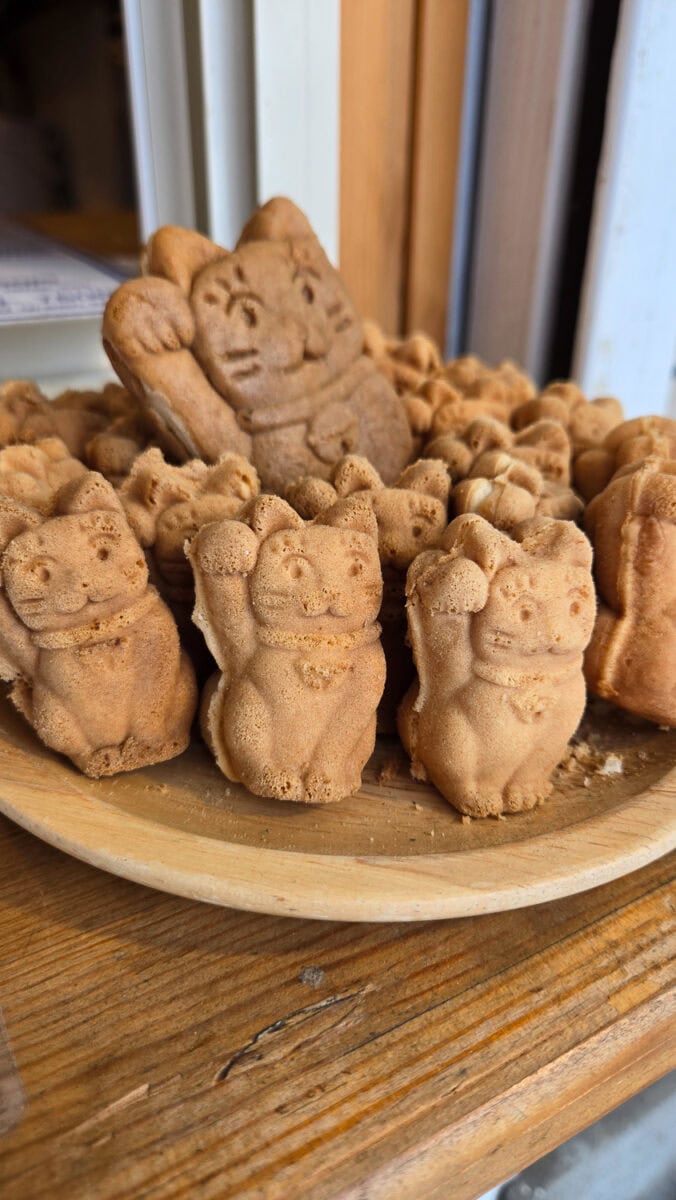
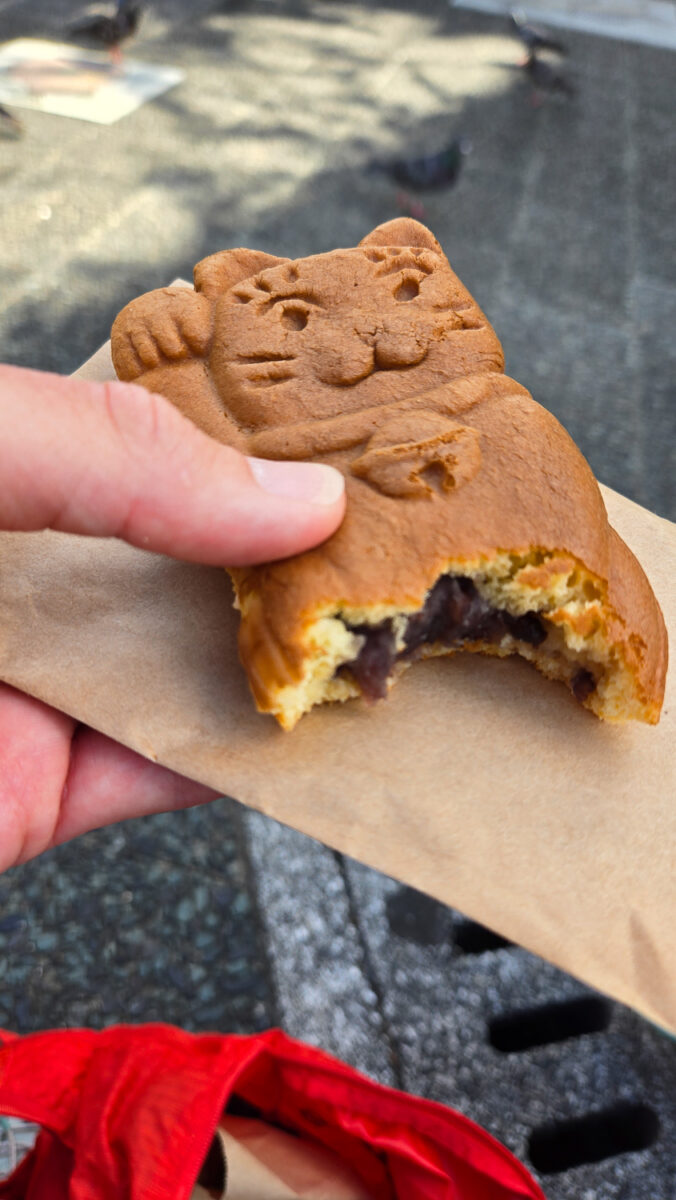
Maneki-Neko Dorayaki at Mahorodou Sougetsu
Mahorodou Sougetsu, another charming spot near Gotokuji Temple, is renowned for its maneki-neko-themed dorayaki. These delicious, fluffy pancake sandwiches feature a sweet filling and are served on cat-shaped ceramic plates.
To enjoy a seat indoors at Mahorodou Sougetsu, visitors must purchase a drink. The shop operates from 10 AM to 6 PM and is closed on Mondays, so plan your visit accordingly.
Neko no Jikan (Cat Time)
Neko no Jikan is one of those blink-and-you-miss-it places—a small shop filled with handmade cat goods, postcards, and quirky souvenirs. This is the perfect place to pick up a souvenir for the cat lover in your life…or maybe just you.
Nekochaya – Rescue-style cafésin Setagaya
If you are ready to see real cats after all of the figurines, then you may want to stop at Nekochaya – a rescue-style cat cafe (these are the only ones I go to). Designed to feel like a friend’s living room, Nekochaya balances hospitality and rescue work. Enjoy tea while spending time with cats, many of which are rescues awaiting adoption. The café is notable for its emphasis on humane cat–human interaction and fostering awareness of feline welfare.
Note – they are only open on Sundays, though. Every Sunday from 12:00 to 20:00
Nearby Attractions in Setagaya Ward
Setagaya Ward is a treasure trove of attractions that complement a visit to Gotokuji Temple.
Shimokitazawa
Just a short ride from Gotokuji Temple on the Odakyu Line is a hub of youth culture, known for its eclectic mix of thrift shops, trendy cafes, and vibrant food scene. Shimokitazawa is perfect for those looking to dive into a more modern slice of Japanese culture while still enjoying the charms of Setagaya Ward.
For a delightful dining experience, consider visiting Katsu, a local favorite specializing in yakitori made from Daisen chicken from Tottori prefecture. Alternatively, Tsugumi offers a calm and secretive atmosphere, providing a peaceful escape from the bustling streets. Each spot in Shimokitazawa has its unique charm, making it a must-visit for those exploring the area.
Boroichi Flea Market
The Boroichi Flea Market, held only in mid-December and mid-January, is a historic and vibrant event that attracts locals and tourists alike. Located in Setagaya, this flea market offers a wide array of handmade crafts, local produce, and unique finds that make for a perfect souvenir or gift.
The market’s lively atmosphere and diverse offerings make it a fun and engaging experience. Whether you’re searching for antiques, traditional Japanese items, or simply enjoying the bustling environment, the Boroichi Flea Market is a highlight of the Setagaya Ward and a wonderful addition to your visit to Gotokuji Temple.
Seasonal Highlights and Events
Gotokuji Temple and its surroundings are vibrant with seasonal highlights and events that enhance your visit. In mid-March, the cherry blossoms at nearby Sakura Shrine begin to bloom, creating a picturesque scene that attracts many visitors. For those who arrive early, the sight of early-blooming Sakura is equally enchanting.
The Boroichi Flea Market, held in December and January, is another seasonal highlight. This market offers a wide array of handmade crafts and local produce, providing a vibrant atmosphere that captures the essence of local culture.
These events and seasonal changes make Gotokuji Temple a dynamic destination worth visiting year-round.
Tips for Visiting Daikeizan Gotokuji Temple
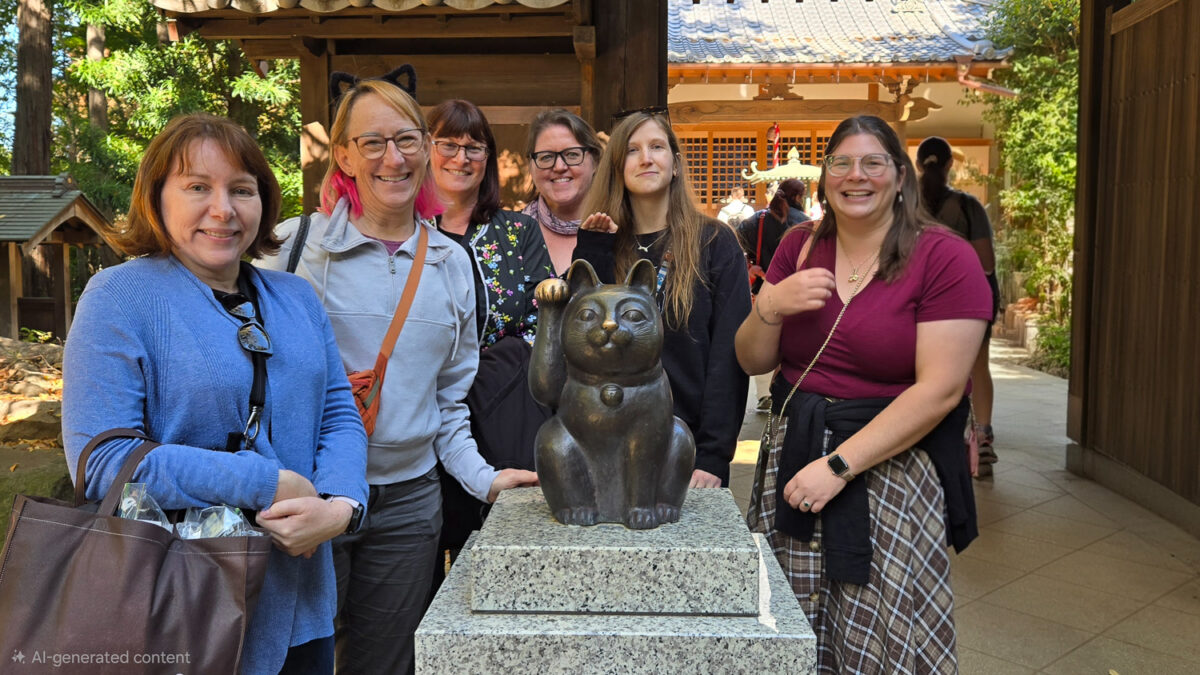
If you treat Gotokuji like a little treasure hunt—looking for hidden carvings, noticing the small details, reading the ema plaques—you start to realize it’s less about one big legend and more about layers of belief and Buddhism built over time.
It’s a temple that rewards curious travelers! To make the most of your visit to Gotokuji Temple, consider these practical tips.
Don’t just show up, snap a photo of the cats, and leave
Walk through the grounds slowly. Notice the quiet corners, the incense, the subtle rituals happening around you. Then head to the sea of maneki-nekos and get your pictures. Allocate around two hours for your visit, as Gotokuji is a compact area filled with intriguing sights and photo opportunities.
Bring Cash
The temple sells a number of maneki neko figurines, emas, banners, flags, stamps for your goshuin book, and more. There are two lines – one for people with cash and one for people with credit cards. The cash one is normally shorter. Plus, know that many items have purchase limits due to high demand. And many times they are sold out of items, too. Once again, a good reason to go early in the morning before everything sells out.
Make a Wish
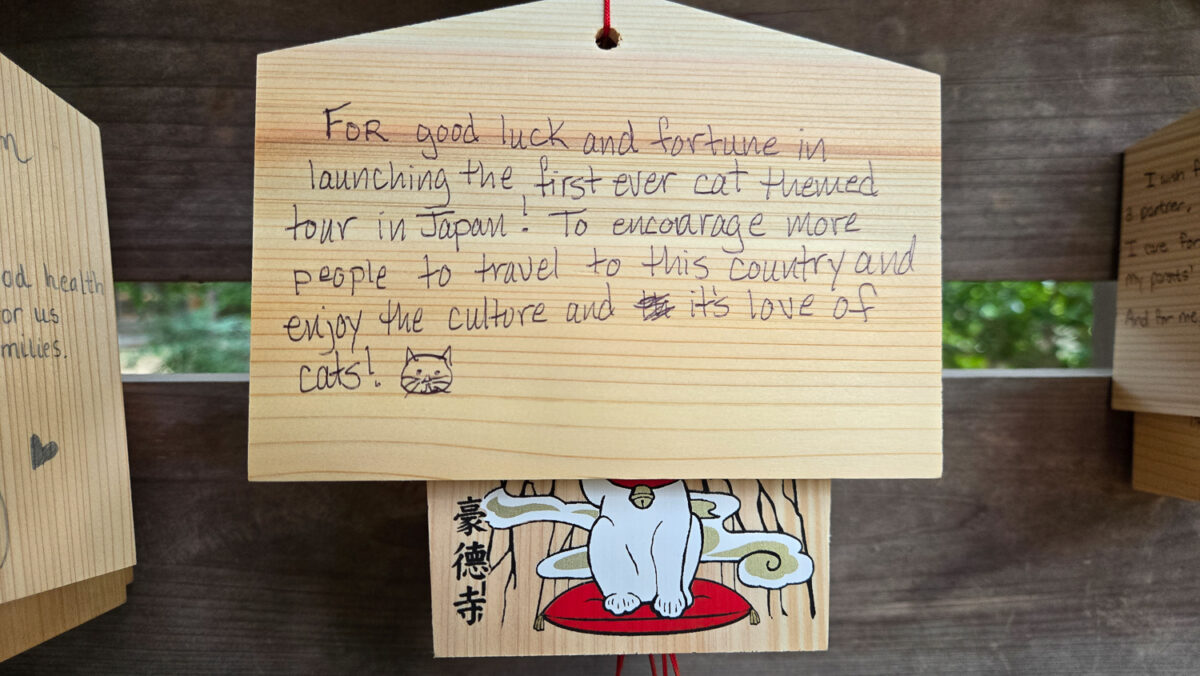
Purchase a cat-themed Ema – a small wooden plaque, in which Shinto and Buddhist worshippers write prayers or wishes. You write your wish on the back and then leave it hanging at the temple. Take a picture of it so you can always remember it!
Find the Hidden Cat that Few People Know About
A hidden, carved wooden cat creates a great little feline scavenger hunt on the temple grounds. The wooden cat replaces the traditional mouse/rat in the carvings of the Chinese zodiac animals. A little ‘artist nod’ to this special cat temple.
Can you find it? Hint…look up…3 stories…
Bring a Maneki Neko to Leave
You can purchase a maneki neko at the temple and leave it for good luck, or bring your own and leave it. Leaving a cat figurine behind isn’t just for luck—it’s also seen as a gesture of thanks when a wish has already come true.
On my most recent visit, I noticed that people were starting to bring pictures of their own cats and leaving them among the maneki nekos. So I guess you can bring anything cat-related and leave it!
Go early to avoid the crowds
The temple is becoming more and more crowded every year I go visit. Therefore, I advise that you go early…really early – that way you’ll have the serene setting more to yourself without all of the people lined up to buy things or taking pictures of the thousands of cats. This way, you can experience the temple for what it is meant for – serenity.
If you go early, then you leave by 10AM while everyone else is showing up, you can stop at shops and cafes on the way back to the train. Shops in the neighborhood normally open at 10 AM.
The temple operates daily from 6 AM to 5 PM year-round, making it accessible to both early birds and those who prefer a later start. However, it is advisable to avoid visiting on Mondays due to potential closures of nearby businesses.
Summary
Gotokuji Temple, with its rich history, enchanting maneki neko figurines, and serene grounds, offers a unique glimpse into traditional Japanese culture and cat culture. From exploring the temple to enjoying the nearby neighborhood and other cat features, it’s a great way to spend a day outside of the bustle of Tokyo. Whether you’re making wishes with maneki neko figurines or savoring themed pastries, Gotokuji Temple and Setagaya Ward provide a unique experience that combines history, culture, charm, and cats!
Frequently Asked Questions
How much does a Gotokuji cat cost?
A Gotokuji cat, or maneki-neko, typically costs between 500 yen and 7,000 yen, depending on the size and material. Thus, you can find one that fits your budget at the temple office where they’re sold.
Is Gotokuji Temple really the “Lucky Cat Temple”?
Yes—but that’s more of a nickname than an official title. Gotokuji Temple is a Buddhist temple with a long history, and the maneki-neko connection comes from a local legend about a cat saving a feudal lord. The rows of cats you see today are offerings left by visitors—so it’s less about decoration and more about gratitude and wishes.
How do I get to Gotokuji Temple from central Tokyo?
Gotokuji is located in Setagaya, a quieter residential area of Tokyo. The easiest way is to take the Odakyu Line from Shinjuku to Gotokuji Station, then walk about 10–15 minutes. It’s straightforward—and part of the experience is wandering through the neighborhood on the way.
What is the best time to visit Gotokuji Temple?
The best time to visit Gotokuji Temple is early to avoid the crowds and lines. I suggest you go at 8 AM and spend a couple of hours there and leave at 10 AM, when local businesses start to open, allowing for a more vibrant experience. This timing enhances your visit as you can enjoy both the temple and its surrounding area without the cat crowds!
Is Gotokuji Temple free to visit?
Yes, the temple grounds are free to enter. If you want to participate in the tradition, you can buy a maneki-neko figurine at the temple office, but it’s completely optional.
How much time do you need at Gotokuji?
Plan for about an hour or two. You can see it quickly, but it’s worth slowing down—walk the grounds, visit the pagoda, and explore beyond just the cat area. Plus – if you want to buy something from the temple, then you need more time to stand in line. I suggest you take your time, soak up the serenity outside of just the maneki neko area.
Can I buy a maneki neko figurine at the temple?
Yes, you can buy a maneki neko figurine at the temple office, where they are available for wishing and good luck. You can also buy other Maneki neko items at the temple including stamps, banners, and more.
Are there real cats at Gotokuji Temple?
No—despite the nickname, there aren’t actual cats roaming around. The “cat temple” reputation comes entirely from the statues and legend. However – you may see a few roaming in the surrounding neighborhood!
Is Gotokuji worth visiting?
If you’re interested in Japanese culture, folklore, or just want something a little different from Tokyo’s bigger sights—yes. It’s not a huge, must-see landmark, but that’s kind of the point. It’s quieter, more personal, and a great excuse to explore a different side of the city. Do it!!!
Read More About Japan
-
Maneki-Neko: The Iconic Japanese Symbol of Good Fortune
-

Gotokuji Temple Tokyo: A Must-Visit for Lucky Cat Enthusiasts
-

5 Ways to Experience the Michinoku Coastal Trail in Japan


The post Gotokuji Temple Tokyo: A Must-Visit for Lucky Cat Enthusiasts appeared first on OttsWorld.
