



Winter mornings have a way of testing one’s resolve. The moment you turn on the tap, the water bites with a sharp, icy chill and the thought of bathing with water straight from the rooftop tank is enough to make anyone hesitate.
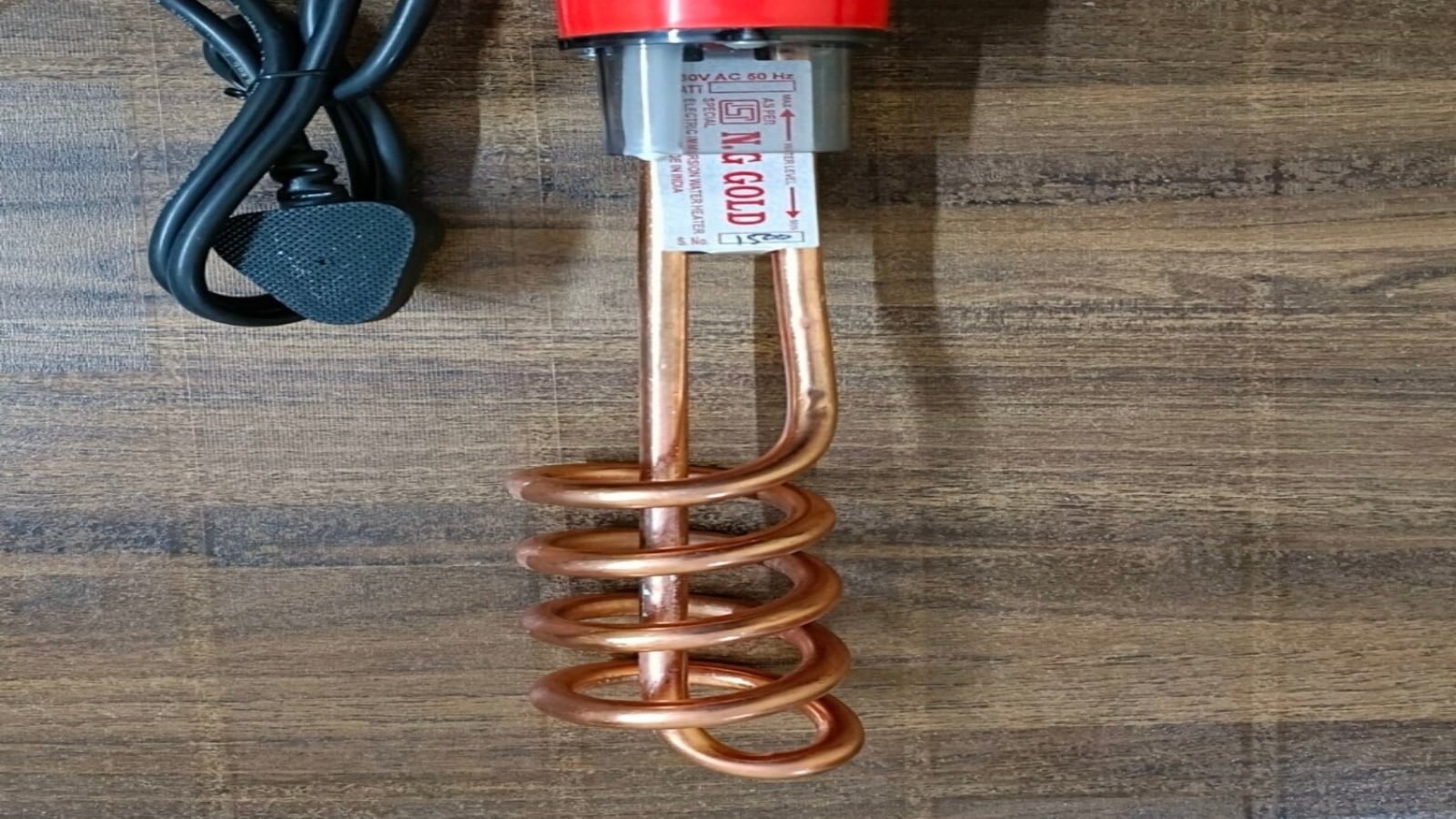
For many middle-class families, installing a geyser in the bathroom is simply not feasible. Using an immersion rod only sends the electricity bill soaring, placing yet another strain on the household budget. As a result, enjoying a hot bath first thing in the morning becomes almost impossible.

Ice-cold water the moment you open the tap and the very thought of bathing in December or January is enough to make anyone shiver. So, is there a solution? Absolutely. Imagine being able to keep the water in your rooftop tank pleasantly lukewarm without spending a single penny on electricity, gas, or anything else. Today, we’re sharing some simple and effective tricks that can help warm your rooftop water tank in just a couple of minutes, keeping the water comfortably lukewarm throughout the day.
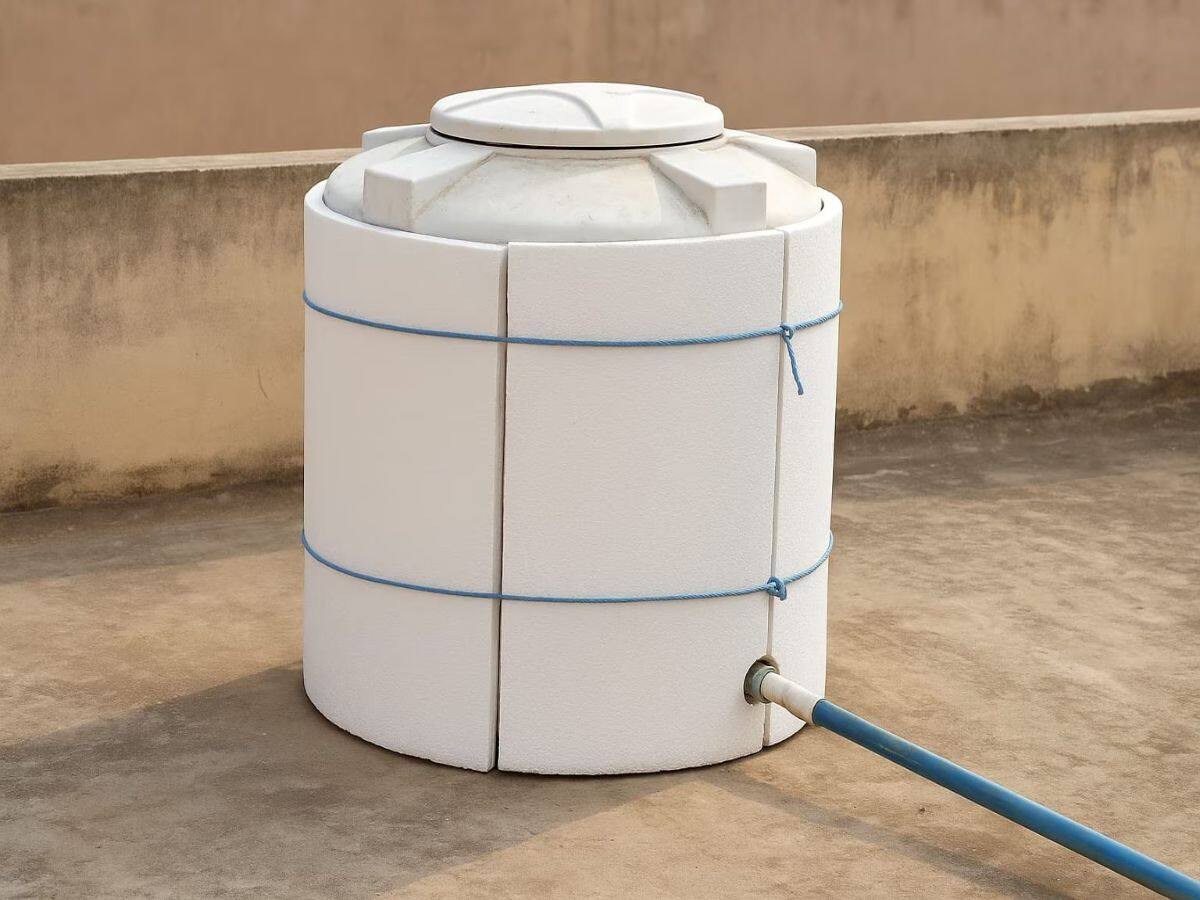
If your water tank is outdoors or on the roof, wrapping it in a thick sheet of thermocol can be surprisingly effective. The thermocol acts as insulation, preventing heat from escaping and stopping cold air from seeping in. Much like a jumper keeps your body warm, the thermocol helps retain the water’s natural warmth. This stops the water from becoming unbearably cold in the early hours, making it more suitable for washing or bathing. Best of all, it’s inexpensive and long-lasting.

If you have bubble wrap lying around at home, don’t throw it away. In winter, it can act as a natural insulator for the tank. The air inside the bubbles provides insulation, and wrapping the tank in two or three secure layers prevents cold air from reaching the tank’s surface, keeping the water warmer for longer. It’s an easy DIY method that takes only a few minutes.
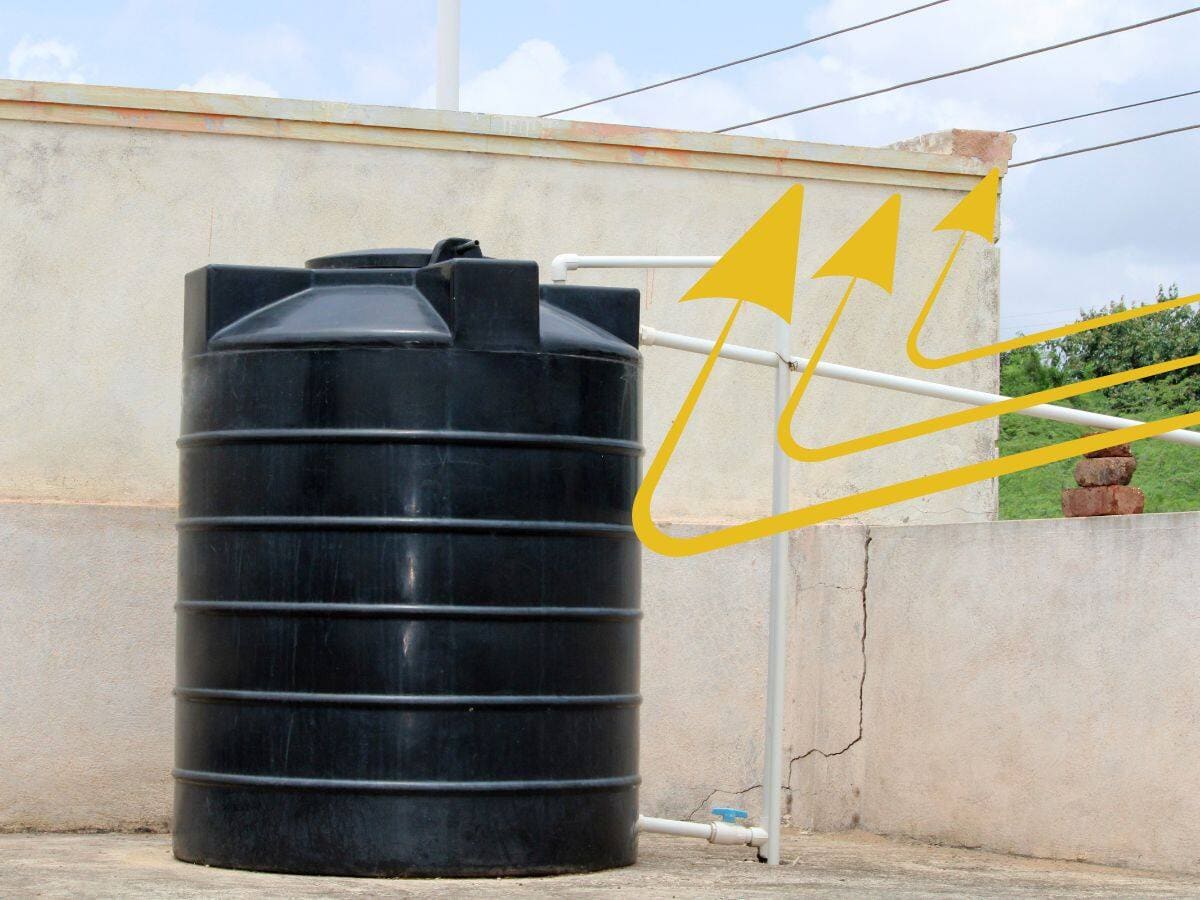
Dew and cold night air are the main culprits in cooling the tank’s water. If your tank is exposed on an open terrace, cover it with a tarpaulin, a wooden shade, or a small tin roof. This prevents cold drafts from directly hitting the tank and helps maintain the internal temperature. Even dew won’t cool it down as quickly. Many people in rural areas also use old sacks or thick cloth for insulation, a simple, inexpensive, home-grown solution.
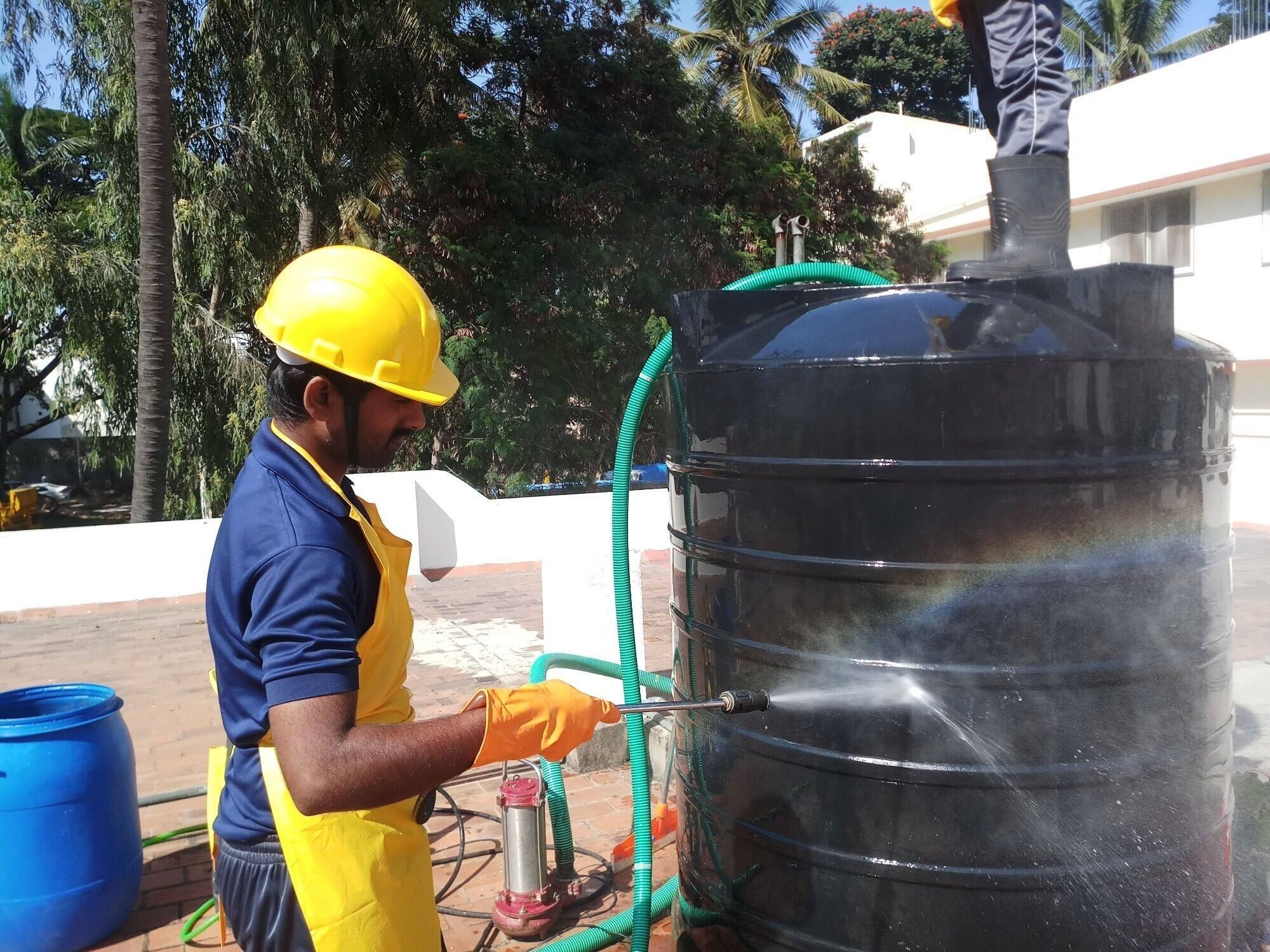
There’s also a natural, scientific method: painting the tank black, dark blue, or dark brown. Dark colours absorb heat more readily, allowing the tank to warm up gradually throughout the day as it sits in the sun. This method requires no electricity, no external assistance, and no ongoing costs. A single coat of paint is all you need.
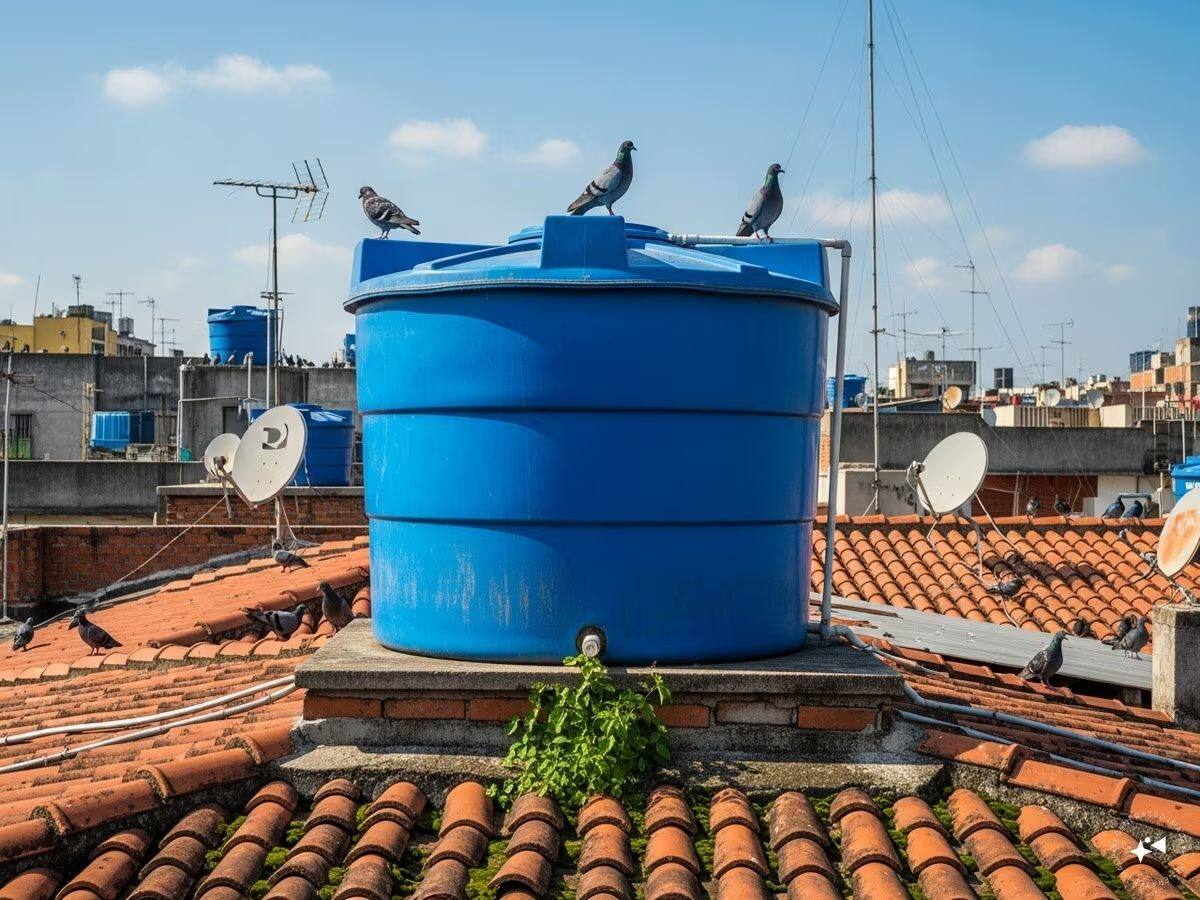
If your rooftop receives ample sunlight, position the tank where it can soak up the maximum amount of heat. The sun’s warmth will naturally raise the water temperature, making your morning bath far more comfortable.

Finally, make sure to cover the tank with a cloth or blanket at night to prevent the retained heat from escaping. It’s neither new nor expensive but it works remarkably well.
