


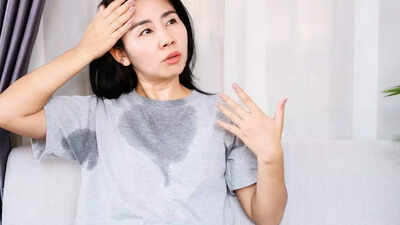
Sweating is a vital bodily function that helps regulate body temperature and maintain overall health. While excessive sweating often draws attention, understanding normal sweating patterns is equally important. Sweat is produced by glands that release a salt-based fluid, which cools the body as it evaporates. The amount of sweat varies depending on factors such as physical activity, environmental temperature, stress levels, and individual physiology. Recognising what constitutes typical perspiration, identifying common triggers, and understanding when sweating may signal an underlying health issue can help you monitor your body effectively. Being aware of these patterns allows you to maintain comfort, prevent dehydration, and take timely action if abnormal sweating occurs, supporting long-term well-being.
Why sweating happens
Sweating, also known as perspiration, is your body’s way of regulating temperature. When your internal or external temperature rises, your autonomic nervous system triggers sweat glands to release fluid through the skin. As sweat evaporates, it cools your body.According to the study published, sweat rate varies significantly between individuals and even within the same person on different days. The research highlights that endurance‑trained athletes can experience substantial fluctuations in daily sweat loss due to factors such as exercise intensity, environmental conditions, and individual physiological differences. Understanding this variability is essential for effective hydration strategies and managing fluid replacement during training and competition.Your body has around three million sweat glands, split into two main types:Eccrine sweat glands are found all over the body and produce a watery, odourless sweat. They primarily respond to heat and exercise, helping keep your body cool.Apocrine glands are located in areas like the armpits, scalp, and groin. They produce a thicker, fat-laden sweat that can develop odour when it interacts with skin bacteria. This is commonly referred to as body odour.Sweat is mostly water, with roughly 1 percent made up of salts and fats. Your body relies on this process to prevent overheating, especially in warm environments or during physical activity. Emotional triggers such as anxiety or stress can also activate sweat production.
How much sweat is considered normal
The amount of sweat that is normal varies widely from person to person. On average, a healthy adult can produce between 0.5 to 2 litres of sweat per day approximately under typical conditions.Sweating tends to increase in response to:
- Environmental heat: Hot weather or high humidity naturally increases sweat production.
- Physical activity: Exercise raises body temperature, stimulating sweat glands.
- Emotional stress: Anxiety, embarrassment, fear, or excitement can trigger additional sweating.
- Dietary factors: Spicy foods, caffeine, and alcohol may cause temporary increases in sweating.
- Hormonal changes: Menopause and other hormonal fluctuations can lead to temporary excess sweating.
Even within this range, individual differences in metabolism, fitness level, and genetics can influence how much you sweat.
When sweating becomes excessive
Excessive sweating, known as hyperhidrosis, occurs when sweat exceeds what is needed for temperature regulation. Signs include:
- Sweating in one or two areas, like palms, feet, or underarms, while the rest of the body remains dry
- Sweating without physical exertion or heat exposure
- Persistent moisture that interferes with daily activities
- Recurrent skin infections in sweat-prone areas
Hyperhidrosis can be primary, caused by overactive nerves in sweat glands, or secondary, linked to medical conditions such as diabetes, thyroid disorders, infections, menopause, or certain medications.
How to manage sweating : Tips for too little sweat and staying cool
On the opposite end of the spectrum, insufficient sweating, or hypohidrosis, can also be dangerous. Without enough sweat, your body cannot cool down effectively, increasing the risk of heatstroke and dehydration.You should seek medical advice if you notice:
- Little to no sweating despite heat or exercise
- Heat intolerance
- Dizziness, fainting, or overheating
- Lifestyle Adjustments for Normal Sweating
Normal sweating rarely requires medical treatment, but these steps can make it more manageable:
- Wear breathable, lightweight clothing that allows airflow
- Remove layers as your body warms up
- Wash away dried sweat to prevent irritation
- Change out of sweaty clothes promptly to reduce bacterial or fungal growth
- Stay hydrated to replace fluids and electrolytes
- Use antiperspirants or deodorants to manage underarm sweating
Reduce foods and beverages that trigger excessive sweating, such as spicy foods, caffeine, and alcohol
Also Read | How to prevent fatty liver: Foods to avoid, drinks to include, and lifestyle tips to protect your liver
